Most cooks buy a mixing spoon based on looks or price, then wonder why their sauces scorch, their bowls scratch, and their plastic utensils warp after a few washes. I’ve been cleaning up after rushed cooks for years, and I can tell you: the wrong spoon costs you more than a few dollars. Through years of daily cooking, I’ve learned that most kitchen mistakes come from rushing. The extra 30 seconds to check your setup saves hours of cleanup or regret. Let me save you that regret by explaining what actually matters in a mixing spoon.
Key Takeaways
- Material determines longevity — stainless steel and silicone outlast plastic and wood in dishwashers.
- Shape affects performance — slotted spoons drain better; solid spoons stir thicker mixtures.
- Heat resistance matters — silicone handles up to 600°F; nylon melts around 400°F.
- Hygiene is non-negotiable — non-porous surfaces (metal, silicone) resist bacteria better than wood or plastic.
Why Mixing Spoon Material Is the First Thing You Should Check
I’ve seen countless home cooks grab a nylon spoon because it’s cheap and colorful. Then they leave it in a hot pan, and it melts into a sticky mess. Worse, they scrub it with a scouring pad, which creates microscopic grooves where bacteria hide. The material of your mixing spoon directly affects how well it cleans, how long it lasts, and how safe it is for your cookware.
Stainless Steel: The Hygienic Workhorse
Stainless steel mixing spoons are my top recommendation for anyone who prioritizes cleanliness. They are non-porous, meaning no tiny cracks for food particles or bacteria. They survive the dishwasher cycle without clouding or warping. I run mine through a high-temp sanitizing cycle (160°F for 15 minutes) every week, and they come out spotless. The only downside: they can scratch non-stick pans. If you use Teflon or ceramic-coated cookware, reach for silicone instead.
Silicone: Safe for Non-Stick, But Watch the Heat
Silicone mixing spoons are excellent for non-stick pans because they are soft and flexible. They also resist stains and odors better than plastic. However, not all silicone is equal. Cheap silicone often has fillers that degrade after repeated dishwasher cycles. Look for 100% platinum-cured silicone, which can handle temperatures up to 600°F without melting or releasing chemicals. I use a silicone spoon for stirring delicate sauces and scrambled eggs, but I never leave it in a hot pan unattended.
Wood: Traditional but High-Maintenance
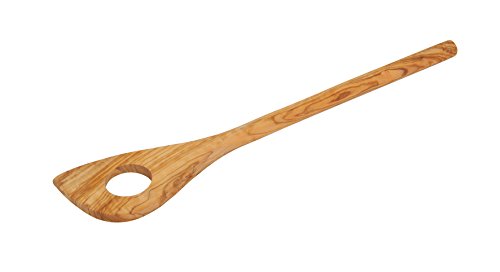
Wooden spoons are beloved for their gentleness on cookware and their natural feel. But from a hygiene standpoint, they are the worst option. Wood is porous and absorbs moisture, oils, and food particles. Even with thorough hand-washing, bacteria can survive in the grain. I only recommend wooden spoons for dry stirring (like mixing dough) and never for raw meat or dairy. If you use wood, replace it every 3-6 months, especially if it develops cracks or a sour smell.
Nylon and Plastic: Cheap but Short-Lived
Nylon and plastic mixing spoons are lightweight and inexpensive, but they have serious drawbacks. They melt at high temperatures (around 400°F), they scratch easily, and they absorb stains from tomato sauce or turmeric. I’ve pulled dozens of warped, stained nylon spoons out of dishwashers. If you buy plastic, treat it as disposable — replace it every few months. For daily use, invest in stainless steel or silicone.

How to Choose the Right Mixing Spoon Shape for Your Cooking
Shape is not just about aesthetics. The right shape makes stirring efficient and prevents splashing. The wrong shape can make you work harder and create a mess.
Solid vs. Slotted: When to Use Each
A solid mixing spoon is best for stirring thick mixtures like stews, doughs, and batters. It moves more material with each stroke because it doesn’t have holes. A slotted mixing spoon is designed for draining liquids while holding solids — perfect for lifting vegetables out of broth or removing pasta from water. I keep one of each in my utensil crock. If you only buy one, start with a solid spoon; it is more versatile.
Long vs. Short Handles
Handle length matters for safety and comfort. A 12-inch mixing spoon is ideal for deep pots and stockpots because it keeps your hand away from steam and heat. A 10-inch spoon works better for shallow pans and mixing bowls. I use a 12-inch stainless steel spoon for soups and a 10-inch silicone spoon for sauté pans. Measure your tallest pot before buying.
Angled or Straight? The Ergonomic Factor
Some mixing spoons have an angled head that aligns with the curve of a bowl or pot. This reduces wrist strain because you don’t have to tilt your hand to scrape the bottom. If you cook frequently or have arthritis, an angled spoon is a worthwhile upgrade. Straight spoons are fine for occasional use but require more wrist movement.
Dishwasher Safety: What Happens to Your Mixing Spoon in the Wash
I run my dishwasher on a sanitizing cycle (160°F) every load. That heat destroys most bacteria, but it also destroys cheap utensils. Understanding how each material reacts to the dishwasher will save you from replacing spoons every month.
Stainless Steel: The Dishwasher Champion
Stainless steel mixing spoons are virtually indestructible in the dishwasher. They don’t warp, stain, or cloud. However, they can cause water spots if you have hard water. To prevent this, use a rinse aid and dry them immediately after the cycle ends. I have stainless steel spoons that have been through hundreds of dishwasher cycles and still look new.
Silicone: Mostly Safe, But Check the Core
Silicone spoons with a plastic core can fail in the dishwasher. The outer silicone may be fine, but the inner plastic can warp, causing the spoon to bend permanently. Always check the manufacturer’s instructions. If the spoon has a metal core, it is dishwasher-safe. If it has a plastic core, hand-wash it. I hand-wash my silicone spoons to be safe, but many high-quality ones are dishwasher-safe.
Wood and Plastic: Hand-Wash Only
Wooden spoons will crack and split in the dishwasher. The high heat and moisture cause the wood to expand and contract, leading to permanent damage. Plastic spoons may survive a few cycles, but they will eventually warp or develop a cloudy film. Hand-wash both with mild soap and warm water, then dry immediately.
How to Care for Your Mixing Spoon to Extend Its Life
Proper care is simple but often ignored. Here is my routine for keeping mixing spoons in top condition.
- Stainless steel: Wash in the dishwasher or by hand. If stains appear, scrub with a paste of baking soda and water. Dry immediately to prevent water spots.
- Silicone: Hand-wash with mild soap. Avoid abrasive scrubbers. Store away from direct sunlight to prevent UV degradation.
- Wood: Hand-wash with mild soap. Never soak. Apply food-grade mineral oil once a month to prevent drying and cracking.
- Plastic: Hand-wash and replace every 3-6 months. Do not use with hot oil or boiling liquids.
Frequently Asked Questions
What is the best material for a mixing spoon?
The best material depends on your cookware. For non-stick pans, use silicone to avoid scratches. For stainless steel or cast iron, use stainless steel for durability and hygiene. Wood is acceptable for dry mixing but requires frequent replacement. I recommend stainless steel as the most versatile and hygienic option.
Can I use a metal mixing spoon on non-stick cookware?
No. Metal mixing spoons will scratch and damage non-stick coatings. Use silicone, nylon, or wood instead. If you must use metal, choose a spoon with rounded edges, but even that carries risk. For non-stick pans, silicone is the safest choice.
How often should I replace my mixing spoon?
Stainless steel spoons can last a lifetime with proper care. Silicone spoons should be replaced every 2-3 years if they show signs of wear (cracking, peeling, or discoloration). Wooden spoons should be replaced every 3-6 months, or sooner if they develop cracks or odors. Plastic spoons are essentially disposable and should be replaced every few months.
What length mixing spoon do I need?
For most home kitchens, a 12-inch spoon is ideal for deep pots, and a 10-inch spoon works for pans and mixing bowls. Measure your tallest pot and choose a spoon that extends at least 4 inches above the rim. This keeps your hand away from steam and heat.
How do I remove stains from my mixing spoon?
For stainless steel, make a paste of baking soda and water, scrub gently, then rinse. For silicone, soak in a mixture of white vinegar and water (1:1) for 30 minutes, then scrub. For wood, sand the stained area lightly with fine-grit sandpaper, then re-oil. Plastic stains are permanent — replace the spoon.