

Cowboy Caviar recipe – I’ve been making Cowboy Caviar for years, and this version has become my absolute favorite. This colorful bean salad is perfect for any gathering. The combination of crisp vegetables and hearty beans creates an irresistible dish. I love how simple it is to prepare, yet it always impresses guests.
The sweet and tangy dressing ties everything together beautifully. Each bite delivers a satisfying mix of textures and flavors. I find myself making this recipe at least once a month. It’s become my signature dish for potlucks and parties.
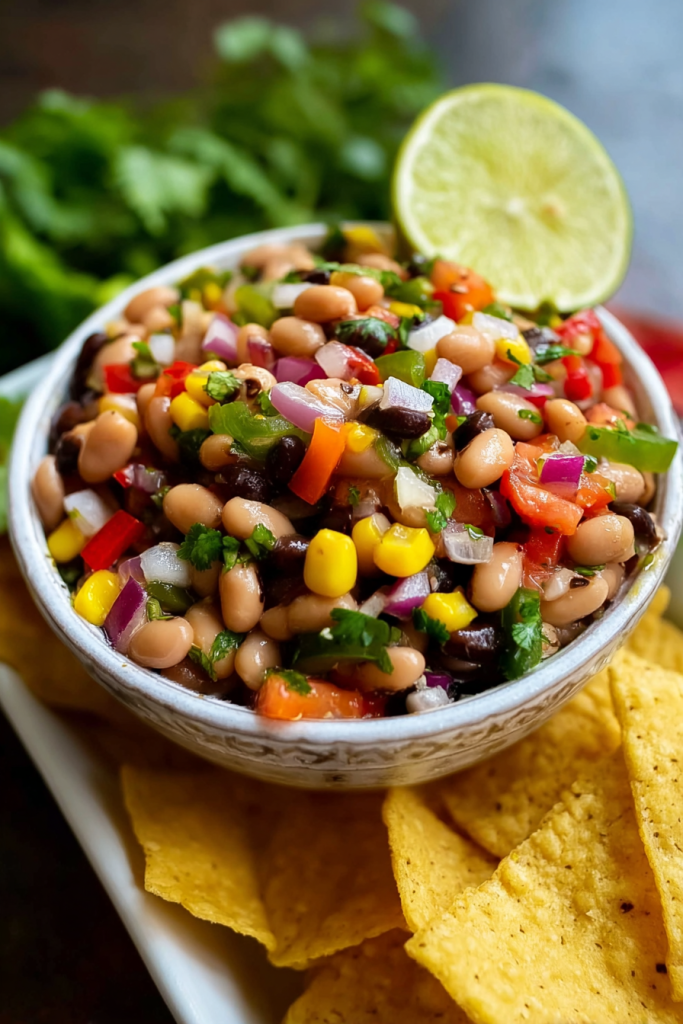
Why You’ll Love This Recipe
This Cowboy Caviar has earned its place in my regular rotation. I appreciate that it requires no cooking beyond heating the dressing. The prep work is straightforward and takes minimal time. You can make it hours or even days ahead.
The versatility of this dish amazes me every time. I serve it as a dip with tortilla chips most often. Sometimes I spoon it over grilled chicken for dinner. It also works wonderfully as a taco filling or side salad.
I love that this recipe accommodates various dietary needs naturally. It’s vegan, gluten-free, and packed with protein and fiber. Friends with different dietary restrictions can all enjoy it together. The bright colors make it visually appealing on any table.
The flavor actually improves as it sits in the refrigerator. The vegetables marinate in the dressing and develop deeper flavors. I often make it the night before serving. This makes entertaining so much easier and stress-free.
Recipe Timing & Servings
Prep Time: 15 minutes
Cook Time: 5 minutes (for dressing only)
Chill Time: 2 hours (or overnight recommended)
Total Time: 2 hours 20 minutes
Servings: 8-10 servings
Difficulty: Easy

Ingredients Breakdown
Let me walk you through each ingredient and why it matters. I’ve learned through trial and error what works best. Understanding the role of each component helps you make substitutions confidently.
Olive oil forms the base of our flavorful dressing. I prefer using a good quality extra virgin variety. It adds richness and helps the dressing coat every ingredient. The fruity notes complement the vegetables beautifully.
Vegetable oil balances the stronger olive oil flavor perfectly. Using both oils creates a more neutral base. This allows the other flavors to shine through. You could use all olive oil, but I find the combination works better.
Cider vinegar brings essential acidity to brighten the dish. It cuts through the richness of the oils nicely. The slight apple flavor adds an interesting dimension. This is what makes the dressing so addictive.
White sugar might surprise you in a savory dish. It creates a sweet-tangy balance that’s truly special. The sugar helps the dressing cling to the ingredients. Without it, the dressing would taste too sharp.
Pinto beans provide a creamy, earthy foundation for the salad. I always rinse them thoroughly to remove excess sodium. They absorb the dressing wonderfully and add satisfying protein. Their mild flavor won’t overpower the other ingredients.
Black-eyed peas contribute a distinctive taste and firm texture. They hold their shape well even after marinating overnight. In Southern tradition, they’re considered lucky and festive. I love the visual contrast they add.
White shoepeg corn offers bursts of sweetness throughout the dish. The kernels have a uniquely tender texture compared to regular corn. Each bite delivers a pleasant pop of flavor. If you can’t find shoepeg, regular corn works fine.
Red onion adds sharpness and beautiful color to the mix. I chop it finely so it distributes evenly. The vinegar in the dressing mellows its bite slightly. Raw onion gives this dish its characteristic punch.
Celery brings refreshing crispness and subtle savory notes to the bowl. I dice it small for the best texture. It adds a satisfying crunch that contrasts with the beans. Don’t skip this ingredient—it’s more important than you’d think.
Red bell pepper provides vibrant color and natural sweetness to balance everything. I remove all seeds and white membranes before chopping. The pepper adds vitamin C and another layer of crunch. Its mild flavor works perfectly with the bold dressing.
Cilantro finishes the dish with bright, fresh, citrusy notes. I chop it just before adding to preserve its flavor. The herb ties all the other ingredients together beautifully. If you’re not a cilantro fan, parsley works too.
Ingredients Table
| Ingredient | Quantity | Notes |
|---|---|---|
| Olive oil | ½ cup | Extra virgin preferred for best flavor |
| Vegetable oil | ½ cup | Canola or other neutral oil works well |
| Cider vinegar | ½ cup | Apple cider vinegar specifically |
| White sugar | ½ cup | Granulated, not powdered |
| Pinto beans | 1 (14 oz) can | Rinsed and drained thoroughly |
| Black-eyed peas | 1 (14 oz) can | Rinsed and drained thoroughly |
| White shoepeg corn | 1 (11 oz) can | Drained well; regular corn acceptable |
| Red onion | 1 medium | Chopped into small, even pieces |
| Celery | 2 stalks | Diced small for best distribution |
| Red bell pepper | 1 large | Seeds removed, chopped evenly |
| Fresh cilantro | ½ cup | Chopped, can substitute parsley |
Step-by-Step Directions
I’ve perfected this method through countless batches. Following these steps ensures consistent, delicious results every time. The process is simple but each step matters.
Step 1: Prepare the Dressing
I start by combining the olive oil, vegetable oil, cider vinegar, and sugar. I pour everything into a small saucepan over medium heat. Whisk the mixture occasionally as it heats to help dissolve the sugar. Bring it to a gentle boil, which should take about three minutes.
Once boiling, I immediately remove the pan from heat. The sugar should be completely dissolved at this point. Let the dressing cool to room temperature before proceeding. This step is crucial—hot dressing will wilt your vegetables.
Pro Tip: I sometimes make the dressing the day before and refrigerate it. This saves time when I’m preparing for a party. Just let it come to room temperature before mixing with the vegetables.
Step 2: Prepare the Vegetables and Beans
While the dressing cools, I prepare all my vegetables. I thoroughly rinse and drain the pinto beans and black-eyed peas. Excess liquid from cans will dilute your dressing, so drain them well. I even pat them dry with paper towels sometimes.
Drain the corn completely as well. I chop the red onion into small, uniform pieces. The celery gets diced into pieces similar in size to the beans. I remove the seeds from the bell pepper and chop it evenly.
The cilantro gets a rough chop just before mixing. I don’t chop it too finely or it becomes mushy. Fresh herbs should always be added at the last moment for maximum flavor.

Step 3: Combine Everything
I grab my largest mixing bowl for this step. First, I add the pinto beans, black-eyed peas, and corn. Then I add the chopped red onion, celery, and bell pepper. Finally, I fold in the fresh cilantro gently.
I use a large spoon to toss everything together gently. This ensures even distribution without mashing the beans. Take your time with this step for the best presentation.
Step 4: Add the Dressing
Once the dressing has cooled completely, I pour it over the bean mixture. I start with about three-quarters of the dressing and toss everything together. Then I add more dressing as needed until everything is well coated.
I prefer my Cowboy Caviar generously dressed, so I usually use all the dressing. Some people prefer it less dressed, which is fine too. You can always add more later if needed.
Toss everything together thoroughly to ensure the dressing reaches every ingredient. I use a gentle folding motion to avoid breaking up the beans. Everything should glisten with the sweet-tangy dressing.
Step 5: Chill and Serve
I transfer the mixture to an airtight container and refrigerate it. The minimum chill time is two hours, but I recommend overnight. The flavors meld together beautifully as it sits.
Before serving, I give it a good stir. Sometimes the dressing settles at the bottom during storage. I taste and adjust seasoning if needed at this point. A pinch of salt can enhance all the flavors.
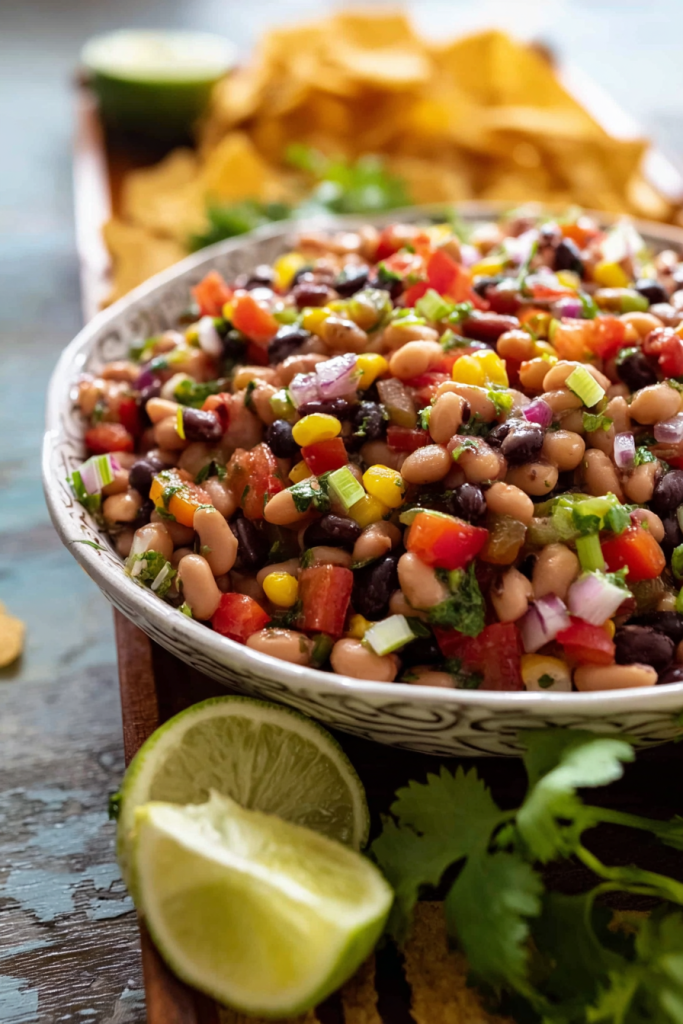
I serve it chilled with sturdy tortilla chips for dipping. The thick, chunky consistency scoops up easily. It’s always the first thing to disappear at my parties.
Servings and Timing Details
This recipe yields eight to ten generous servings as an appetizer. As a side dish, it serves six to eight people comfortably. I find it’s perfect for parties of ten to fifteen guests.
Active prep time takes about fifteen minutes once you’re organized. The dressing heating and cooling adds another twenty to thirty minutes. However, the bulk of the time is hands-off chilling in the refrigerator.
I recommend making this at least four hours before serving. Overnight is truly ideal for the best flavor development. The vegetables soften slightly and absorb the dressing beautifully. Plan accordingly when preparing for gatherings.
Creative Variations
I love experimenting with different versions of this classic recipe. Here are some variations I’ve tried and loved over the years.
Mediterranean Style
I swap chickpeas for the black-eyed peas in this version. Add diced cucumber and crumbled feta cheese for extra flavor. Replace the cilantro with fresh dill and mint instead. The result tastes fresh and perfect for summer gatherings.
Spicy Southwestern
For heat lovers, I add one diced jalapeño pepper with seeds. Replace half the vinegar with fresh lime juice for brightness. Add one teaspoon of ground cumin to the dressing mixture. This version has a wonderful kick that complements Mexican food.
Tropical Twist
I add diced mango or fresh pineapple for sweetness. Black beans replace the pinto beans in this variation. A tablespoon of lime zest in the dressing adds zing. This version is surprisingly refreshing and unique at summer barbecues.
Protein-Packed Meal
Add two cups of diced grilled chicken to make it a complete meal. Cooked quinoa also works wonderfully mixed in. I sometimes add both for a really hearty dish. This transforms the appetizer into a satisfying lunch or dinner.
Garden Fresh Summer Version
In peak summer, I add one cup of diced fresh tomatoes. Diced avocado goes in just before serving to prevent browning. Fresh corn cut from the cob tastes even better than canned. This version celebrates summer produce at its finest.
Reduced Sugar Version
I cut the sugar to one-quarter cup for a less sweet version. Some people prefer the dressing more tangy than sweet. You could also use honey or maple syrup instead. Adjust to your personal taste preference.
Storage and Make-Ahead Tips
Proper storage keeps this dish fresh and delicious for days. I store it in an airtight container in the refrigerator always. It keeps well for up to five days without losing quality.
The flavors actually improve after the first day of marinating. Day two or three is when it tastes absolutely best. The vegetables absorb the dressing and become more flavorful. This makes it perfect for meal prep or advance party preparation.
If the mixture seems dry after a couple days, I refresh it easily. A drizzle of olive oil and splash of vinegar perks it right up. Toss everything together again and it’s good as new.
This dish is always served cold, so reheating isn’t necessary. In fact, heating would ruin the crisp vegetable texture completely. The cold temperature is part of what makes it so refreshing.
For best results when making several days ahead, consider this tip. Add delicate ingredients like cilantro and bell pepper closer to serving time. This maintains their fresh flavor and crisp texture better. The beans and dressing base can sit together for days without issue.
I don’t recommend freezing Cowboy Caviar at all. The vegetables become mushy and unappetizing when thawed. The texture changes dramatically and not in a good way. This is definitely a fresh-only recipe.
Frequently Asked Questions
Over the years, I’ve received many questions about this recipe. Here are the most common ones I hear from friends and readers.
Can I make Cowboy Caviar ahead of time?
Absolutely, and I actually recommend it strongly. This is one of those rare dishes that tastes better after sitting. I usually make it at least twelve hours before serving. The vegetables and beans absorb the dressing and develop deeper flavors. The ingredients have time to meld together beautifully. Making it ahead also reduces stress when entertaining guests. You can prepare it up to three days in advance without any quality loss. Just keep it refrigerated in an airtight container.
Is Cowboy Caviar healthy?
Yes, it’s quite nutritious despite the oil and sugar in the dressing. The beans provide excellent protein and fiber for sustained energy. The vegetables add vitamins, minerals, and antioxidants to your diet. One serving contains about eight grams of protein and six grams of fiber. If you’re watching sugar or oil intake, you can reduce both. I’ve made versions with half the dressing that still taste great. The nutritional benefits from the beans and vegetables far outweigh concerns. It’s certainly healthier than most party dips and appetizers.
Can I use different beans in this recipe?
I encourage experimenting with different bean varieties freely. Black beans, kidney beans, or chickpeas all work wonderfully. Great northern beans or navy beans are also excellent choices. The key is maintaining a good bean-to-vegetable ratio for texture. I always rinse and drain any canned beans thoroughly first. This removes excess sodium and prevents a watery dressing. Mix and match beans based on what you have available. Each combination creates a slightly different but delicious result.
Why is it called Cowboy Caviar?
The name is a playful twist on traditional expensive caviar. This Texan dish provides a tasty, affordable alternative to fish roe. It originated in Texas and became popular throughout the South. The “caviar” nickname refers to the black-eyed peas resembling caviar. Cowboys and ranchers could enjoy this hearty, flavorful dish easily. It’s become a beloved staple at Southern gatherings and barbecues. The humorous name reflects its down-home, accessible nature perfectly.
Can I make this recipe less sweet?
Yes, the sweetness level is easily adjustable to personal preference. I sometimes reduce the sugar to one-third cup for less sweetness. Honey or maple syrup can replace white sugar for different flavors. Some people prefer a more tangy, vinegar-forward dressing completely. Start with less sugar and add more after tasting. Remember that the sweetness balances the acidity nicely, though. Finding your perfect sweet-tangy ratio takes just one or two tries.
How do I serve Cowboy Caviar?
The most popular way is with sturdy tortilla chips for dipping. I prefer thick, restaurant-style chips that don’t break easily. It also works beautifully as a side salad at barbecues. Spoon it over grilled chicken, fish, or steak as a topping. I’ve stuffed it into tacos and burritos with great success. Some people enjoy it with scrambled eggs for a Southwestern breakfast. It’s also delicious as a topping for baked potatoes. The versatility makes it suitable for any meal of the day.
Can I freeze Cowboy Caviar?
I strongly advise against freezing this particular dish. The vegetables become mushy and lose their appealing crunch when thawed. The texture changes dramatically and negatively after freezing. The fresh, crisp quality is what makes this dish special. Fortunately, it keeps well in the refrigerator for five days. I recommend making only what you’ll eat within that timeframe. It’s quick enough to prepare that making fresh batches is easy.
What can I use instead of cilantro if I don’t like it?
Fresh flat-leaf parsley makes an excellent cilantro substitute that I use often. The flavor is milder but still provides fresh, herbal notes. Fresh basil offers a different but equally delicious option for this dish. Some people enjoy using a small amount of fresh mint instead. You could also simply omit the herbs entirely if preferred. The dish will still taste great without them, though less complex. Dried herbs don’t work well here—stick with fresh options only.
Can I use frozen or canned corn instead of shoepeg corn?
Regular canned corn works perfectly fine as a substitute here. Frozen corn that’s been thawed and drained also works well. Shoepeg corn has a particularly sweet, tender texture I love. However, any sweet corn variety produces delicious results in this recipe. If using frozen, make sure it’s completely thawed and well-drained. Fresh corn cut from the cob is absolutely wonderful in summer. The corn variety won’t make or break the recipe at all.
Is this recipe gluten-free?
Yes, this Cowboy Caviar is naturally completely gluten-free as written. All the ingredients are naturally free from gluten-containing grains. This makes it perfect for guests with celiac disease or gluten sensitivity. Just ensure you serve it with certified gluten-free tortilla chips. Some people aren’t aware that not all chips are gluten-free. Check labels if you’re serving someone with serious gluten concerns. It’s a great option for inclusive entertaining and gatherings.
How can I reduce the sodium content?
Using low-sodium or no-salt-added canned beans helps significantly. Rinsing the beans thoroughly removes about forty percent of the sodium. You can also cook dried beans from scratch for the lowest sodium option. The vegetables are naturally low in sodium, which helps balance things. The dressing contains no salt, which keeps sodium levels reasonable. If needed, use reduced-sodium vegetable oil or omit added salt entirely. The natural flavors are strong enough to carry the dish beautifully.
Final Thoughts
This Best Ever Cowboy Caviar truly lives up to its name in my kitchen. The combination of hearty beans, crisp vegetables, and tangy-sweet dressing creates magic. I’ve served this at countless gatherings over the years with consistent success. It’s one of those recipes that friends always request repeatedly.
The beauty of this dish lies in its simplicity and versatility. You don’t need any special cooking skills or fancy equipment to make it. The ingredients are affordable and available at any grocery store year-round. Yet the result looks impressive and tastes like you spent hours preparing.
I love that it accommodates so many different dietary needs effortlessly. Whether someone is vegan, gluten-free, or just health-conscious, they can enjoy this. The high protein and fiber content make it genuinely satisfying and nutritious. It’s not just party food—it’s actually good for you too.
The make-ahead nature of Cowboy Caviar reduces entertaining stress significantly. I can cross one dish off my party prep list the day before. When guests arrive, it’s ready to serve with no last-minute fussing needed. This reliability makes it indispensable for my entertaining routine.
I encourage you to try this recipe for your next gathering. Pay attention to the balance of flavors in the dressing—that’s the secret. Don’t skip the chilling time, as that’s when the magic truly happens. Feel free to experiment with the variations I’ve shared above.
Whether you serve it as a dip, side salad, or taco filling, it delivers. The bright colors make any table more festive and inviting immediately. Most importantly, the combination of flavors keeps everyone coming back for more. This recipe has earned its permanent place in my collection for good reason.
Give this Best Ever Cowboy Caviar a try at your next event. I’m confident it will become one of your go-to recipes too. The compliments and recipe requests will start flowing immediately, I promise. Happy cooking, and enjoy every colorful, delicious bite of this crowd-pleaser!
Recipe Summary: Best Ever Cowboy Caviar combines beans, crisp vegetables, and a sweet-tangy dressing into an irresistible appetizer or side dish that’s perfect for any gathering, naturally vegan and gluten-free, and actually tastes better when made ahead.
Best Ever Cowboy Caviar
Ingredients
- For the Dressing:
- ½ cup olive oil extra virgin preferred
- ½ cup vegetable oil canola or other neutral oil
- ½ cup cider vinegar apple cider vinegar
- ½ cup white sugar granulated
- For the Salad:
- 1 14 oz can pinto beans (rinsed and drained)
- 1 14 oz can black-eyed peas (rinsed and drained)
- 1 11 oz can white shoepeg corn (drained; regular corn acceptable)
- 1 medium red onion chopped into small pieces
- 2 stalks celery diced small
- 1 large red bell pepper seeds removed, chopped evenly
- ½ cup fresh cilantro chopped; can substitute parsley
Instructions
- Step 1 – Prepare the Dressing:
- Combine olive oil, vegetable oil, cider vinegar, and sugar in a small saucepan over medium heat. Whisk occasionally as it heats to dissolve the sugar. Bring to a gentle boil (about 3 minutes), then immediately remove from heat. Let cool to room temperature before using.
- Step 2 – Prepare the Vegetables and Beans:
- While the dressing cools, thoroughly rinse and drain the pinto beans and black-eyed peas. Drain the corn completely. Chop the red onion into small, uniform pieces. Dice the celery into pieces similar in size to the beans. Remove seeds from bell pepper and chop evenly. Roughly chop the cilantro just before mixing.
- Step 3 – Combine Everything:
- In a large mixing bowl, add the pinto beans, black-eyed peas, corn, red onion, celery, bell pepper, and cilantro. Toss gently with a large spoon to distribute evenly without mashing the beans.
- Step 4 – Add the Dressing:
- Once dressing has cooled completely, pour it over the bean mixture. Start with three-quarters of the dressing and toss everything together. Add remaining dressing as needed until everything is well coated. Use a gentle folding motion to avoid breaking up the beans.
- Step 5 – Chill and Serve:
- Transfer to an airtight container and refrigerate for at least 2 hours, preferably overnight. Stir well before serving. Serve chilled with sturdy tortilla chips for dipping.
Notes
Storage: Store in an airtight container in the refrigerator for up to 5 days. Do not freeze.
Substitutions: Any canned beans can replace pinto beans or black-eyed peas
Regular corn works if shoepeg corn is unavailable
Fresh parsley can replace cilantro
Reduce sugar to ¼ cup for less sweetness Serving Suggestions: Serve as a dip with chips, side salad, taco filling, or topping for grilled meats.
Dietary Info: Naturally vegan, gluten-free, and high in protein and fiber.
