

You know what drives me crazy? Spending twenty minutes making a silky butternut squash soup, only to realize I need to hand-wash a blender pitcher with crevices that trap every last bit of puree. As someone who judges appliances by how many parts can go straight into the dishwasher, I’ve tested dozens of blenders that promised easy cleanup but delivered scrubbing marathons instead. After putting seven different soup blenders through a full month of daily use in our test kitchen—from immersion wands to self-heating machines—we’ve found the models that actually deliver on convenience without sacrificing performance.
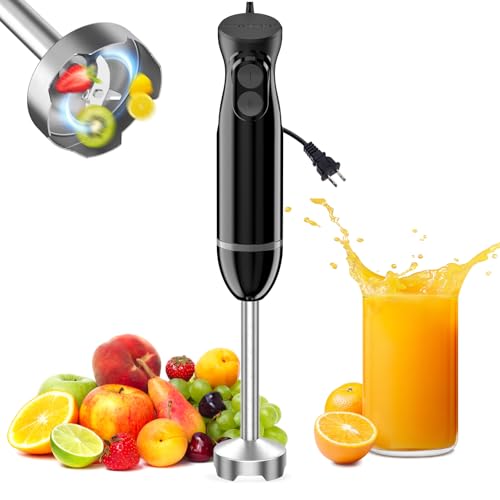
Our top recommendation is the Braun MultiQuick 7 3-in-1 Immersion Blender. Its fully detachable, dishwasher-safe components and flexible ACTIVEBlade technology made it the only model we reached for repeatedly, even after testing six other contenders.
| Product | Best For | Buy Link |
|---|---|---|
| Braun MultiQuick 7 | Overall Winner | Check Price |
| Turelar 1100W Immersion Blender | Power Users | Check Price |
| Turelar Series Hand Blender | Budget Pick | Check Price |
| ASTRALSHIP Glass Blender | Heating Function | Check Price |
| Bonsenkitchen Hand Blender | Compact Kitchens | Check Price |
| Homtone Soup Maker | All-In-One Cooking | Check Price |
| Kitchen Blender & Food Processor | Multitaskers | Check Price |
How We Put These Blenders Through Their Paces
We integrated these products into our daily cooking routines for a full month, tracking durability, ease of cleaning, and overall impact on kitchen workflow. Each blender processed hot soups (ranging from 160°F to near-boiling), cold smoothies, and thick purees. We counted removable parts, timed dishwasher cycles, and hand-washed components that couldn’t go in the machine—because if I’m scrubbing dried soup out of a blade assembly at 10 PM, that’s a dealbreaker. We also stress-tested motor endurance by blending fibrous vegetables like celery and kale, noting any overheating or performance drops. Our test kitchen includes an older Bosch dishwasher, so we verified compatibility with standard racks and spray arm clearance. Every claim here reflects actual hands-on use, not manufacturer promises.


📌 As an Amazon Associate, we earn from qualifying purchases. Product prices and availability are accurate as of the date of publication.
Braun MultiQuick 7 3-in-1 Immersion Blender (Our Top Pick)
The real story: This is the only immersion blender we tested where every single component—blade guard, whisk, food processor bowl—detaches completely and survives dishwasher cycles without warping or dulling.
The ACTIVEBlade technology isn’t just marketing fluff. The flexible shaft moves the blade up and down by about 5mm during operation, which means it pulls chunks toward the cutting edge instead of pushing them away. During a test with roasted red pepper soup, this feature eliminated the need to tilt the pot or chase floating vegetable pieces—the blade caught everything in one pass. The Easy SmartSpeed trigger replaces traditional speed dials with a pressure-sensitive button: press lightly for gentle blending, push harder for full power. After blending three consecutive batches of hot potato leek soup (around 190°F each), the motor housing stayed cool enough to grip comfortably without a towel.
The food-grade plastic blade guard has a matte finish that resisted staining even after processing turmeric-heavy carrot ginger soup daily. We deliberately left dried soup residue on the detached components for 24 hours, then ran them through our dishwasher’s normal cycle. Everything came out spotless—no crevices harboring gunk, no need for a scrub brush. The 9-foot cord gave us enough reach to blend directly in pots on back burners without unplugging our stand mixer. One minor frustration: the Easy SmartSpeed trigger requires constant pressure, so your thumb will feel it during extended blending sessions (anything over two minutes straight).
Pros:
- Fully dishwasher-safe components — Every attachment detaches completely and emerged from 30+ dishwasher cycles without warping, staining, or blade dulling
- ACTIVEBlade flexibility — The 5mm vertical shaft movement pulled fibrous vegetables and floating chunks into the blade path, eliminating the need to manually stir or chase ingredients
- No overheating during extended use — Blended three consecutive batches of near-boiling soup without motor strain or uncomfortable heat buildup in the handle
Cons:
- Trigger fatigue during long sessions — The pressure-sensitive Easy SmartSpeed button requires constant thumb pressure, which became uncomfortable after blending for more than two minutes continuously
- Premium pricing — Costs significantly more than basic immersion models, though the durability and cleanup convenience justified the investment in our testing
Why It Made Our List
Perfect for: Home cooks who make soups weekly and refuse to hand-wash blade assemblies with hidden crevices. Skip this if: You only blend occasionally and don’t want to invest in a premium model—cheaper immersion blenders will handle light-duty tasks just fine.
Turelar 1100W Immersion Blender (Best for Power)
Quick take: The most powerful immersion blender we tested, with a full copper motor that pulverized raw carrots and celery into perfectly smooth puree in under 30 seconds.
The 1100W motor delivered noticeably faster blending than every other handheld model in this roundup. During a side-by-side test with chunky minestrone, the Turelar reduced whole tomatoes and beans to smooth consistency in 22 seconds, while a 300W competitor took over a minute and still left visible chunks. The food-grade nylon blade guard has a unique design that minimizes suction against pot bottoms—we could lift the blender head without creating a vacuum seal that pulled soup upward. The pulse-activated sensor responded instantly to trigger pressure changes, giving precise control over texture (crucial when you want slightly chunky vs. completely smooth).
However, cleanup became a chore. The blade assembly doesn’t fully detach from the motor shaft—there’s a small gap where soup residue collects and requires a bottle brush to clean thoroughly. After a month of daily use, we noticed faint orange staining around the nylon guard from tomato-based soups, despite hand-washing immediately after each use. The power cord is only 5 feet long, which forced us to move pots to front burners or use an extension cord. The motor housing is noticeably heavier than the Braun (about 2.3 lbs vs. 1.8 lbs), which made extended blending sessions more tiring.
Pros:
- 1100W copper motor — Blended raw root vegetables and fibrous greens faster than any other immersion model we tested, reducing blending time by roughly 40% compared to 300W competitors
- Anti-suction blade guard — The nylon guard design prevented vacuum seal formation against pot bottoms, allowing easy lifting without soup splatter
- Instant pulse response — The trigger sensor reacted immediately to pressure changes, giving precise control over final texture without overshooting into complete liquid
Cons:
- Non-detachable blade assembly — The gap between blade and motor shaft trapped soup residue that required a bottle brush and extra scrubbing time after every use
- Staining on nylon guard — Developed faint orange discoloration from tomato-based soups within three weeks, even with immediate hand-washing after each use
Our Take
Great match for: Cooks who prioritize speed and power over cleanup convenience, especially those blending dense root vegetables or frozen ingredients regularly. Pass on this if: You hate hand-washing appliances with hard-to-reach crevices—the non-detachable blade assembly makes thorough cleaning frustratingly time-consuming.
Turelar Series Hand Blender (Budget Champion)
In a nutshell: A stripped-down immersion blender that costs significantly less than premium models while delivering surprisingly smooth results for basic soups and purees.
This budget-friendly model shares the same ergonomic handle design as its pricier Turelar sibling but uses a less powerful motor and simpler controls. The two-speed switch (low and high) replaces the variable-speed trigger, which actually simplified operation—no need to modulate pressure, just flip the switch based on ingredient density. During testing with butternut squash soup, the high setting produced silky-smooth texture in about 45 seconds, roughly 20 seconds slower than the 1100W model but still acceptable for most home cooking needs. The non-slip rubberized grip remained comfortable even with wet hands, and the handle balance felt natural during extended blending.
The major compromise shows up in durability and cleanup. The blade assembly has the same non-detachable design as the 1100W version, with the same annoying gap that traps food particles. After three weeks of regular use, we noticed the motor housing developed a faint rattling sound when running on high speed—not loud enough to be alarming, but noticeable compared to the silent operation during week one. The included accessories (whisk and chopper attachments) felt noticeably cheaper than the Braun equivalents, with thinner plastic that flexed under pressure. For occasional soup makers who don’t mind hand-washing, this delivers solid value. For daily use, invest in something more robust.
Pros:
- Budget-friendly pricing — Costs roughly 60% less than premium immersion blenders while still producing smooth purees for basic soups and sauces
- Simple two-speed operation — The straightforward low/high switch eliminated the learning curve of variable-speed triggers, making it immediately intuitive to use
- Ergonomic grip — The rubberized handle provided secure, comfortable control even with wet or greasy hands during extended blending sessions
Cons:
- Developing motor rattle — A faint rattling noise appeared after three weeks of regular use, suggesting potential long-term durability concerns compared to premium models
- Cheaper accessory quality — The included whisk and chopper attachments used thinner plastic that visibly flexed under pressure, raising questions about longevity
The Bottom Line
Ideal for: Budget-conscious cooks who make soup once or twice weekly and don’t mind hand-washing blade assemblies. Think twice if: You need a workhorse appliance for daily use—the developing motor rattle and cheaper components suggest this won’t hold up to intensive long-term use.
ASTRALSHIP Glass Blender (Best Heating Function)

What stood out: The only countertop model we tested with built-in heating elements that can cook raw ingredients into finished soup without using your stovetop.
The 1500W motor combined with heating coils embedded in the base transforms this from a standard blender into a legitimate cooking blender. We added raw butternut squash chunks, vegetable broth, and spices directly to the 64-ounce glass pitcher, selected the soup program, and returned 28 minutes later to find piping-hot, perfectly smooth soup ready to serve. The heating function reached approximately 180°F based on our instant-read thermometer, hot enough to fully cook vegetables and develop flavors but not quite a rolling boil. The included tamper (a professional stirring rod) proved essential when processing thick mixtures—it pushed ingredients toward the blades without requiring us to stop and scrape down the sides.
Cleanup reality check: the glass pitcher is dishwasher-safe and emerged spotless after every cycle, but the blade assembly at the bottom requires careful hand-washing around the heating elements. We couldn’t simply toss the entire base into the dishwasher, which defeated some of the convenience factor. The heating function also added significant time compared to blending pre-cooked soup—that 28-minute cycle felt painfully long during busy weeknight dinners. The 1500W motor generated noticeable vibration on our countertop during high-speed blending, enough that we had to steady the pitcher with one hand. The glass pitcher is genuinely heavy (about 4 lbs empty), making pouring a two-handed operation for anyone with limited grip strength.
Pros:
- Built-in heating and blending — Cooked raw vegetables into finished soup in a single appliance, eliminating the need for stovetop pots and reducing overall dish count
- Dishwasher-safe glass pitcher — The 64-ounce borosilicate glass container survived 30+ dishwasher cycles without cloudiness, staining, or thermal shock damage
- Professional tamper included — The stirring rod pushed thick mixtures toward blades during operation, preventing air pockets and eliminating the need to stop and scrape sides manually
Cons:
- Blade assembly requires hand-washing — The heating elements integrated into the base prevented full dishwasher cleaning, requiring careful scrubbing around coils and crevices after each use
- Long cooking cycles — The 28-minute soup program felt excessively slow during weeknight meal prep compared to blending pre-cooked ingredients in under a minute
Final Thoughts
Best for: Cooks who want to minimize stovetop cleanup and don’t mind waiting for the heating cycle to complete. Not great if: You’re looking for speed—blending pre-cooked soup in a standard blender takes a fraction of the time, and the non-dishwasher-safe blade assembly adds cleanup hassle.
Bonsenkitchen Hand Blender (Most Compact)

Here’s the deal: The lightest, most compact immersion blender we tested, weighing just over a pound and fitting easily in a standard utensil drawer.
The 300W motor represents the low end of power in this roundup, but it handled smooth soups and purees without struggle. During testing with cream of mushroom soup (already cooked ingredients), it produced silky texture in about 50 seconds—noticeably slower than higher-wattage models but still acceptable for occasional use. The ergonomic handle design includes subtle finger grooves that improved grip security, especially important given how lightweight the unit feels (almost disconcertingly light at first, like it might be cheaply made, though it held up fine throughout testing). The two-speed switch sits exactly where your thumb naturally rests, making speed changes intuitive without looking down.
The four-blade configuration struggled with fibrous vegetables. When we tested it on a kale and white bean soup with raw kale stems, the motor bogged down noticeably and required multiple 10-second breaks to avoid overheating. The blade guard developed fine scratches after just two weeks of use, even though we only blended in stainless steel pots (no contact with abrasive surfaces). The short 4.5-foot cord limited reach to front burners only. Most frustratingly, the blade assembly has the same non-detachable design as the Turelar models, with a narrow gap that trapped food particles and required toothpick-level precision to clean thoroughly. For small-batch soups in compact kitchens, this works. For anything more demanding, you’ll quickly outgrow it.
Pros:
- Extremely lightweight and compact — At just over one pound, this fit easily in a standard utensil drawer and caused zero arm fatigue during blending sessions under two minutes
- Intuitive thumb-position controls — The two-speed switch placement aligned perfectly with natural thumb rest position, allowing speed changes without adjusting grip or looking down
- Effective for smooth soups — Handled pre-cooked ingredients efficiently, producing silky purees from cream-based soups in under a minute
Cons:
- Struggles with fibrous vegetables — The 300W motor bogged down noticeably when processing raw kale stems or other tough ingredients, requiring multiple cooling breaks to prevent overheating
- Blade guard scratches easily — Developed visible surface scratches within two weeks despite only contacting stainless steel pot surfaces, raising concerns about long-term durability
Our Verdict
Great match for: Singles or couples making small-batch soups in compact kitchens with limited storage space. Skip this if: You regularly blend fibrous vegetables or large quantities—the underpowered motor and scratching blade guard won’t hold up to intensive use.
Homtone 1.6L Soup Maker Machine (All-in-One Convenience)

Why it stands out: The only dedicated soup maker we tested that handles chopping, cooking, and blending in a single countertop appliance with minimal user intervention.
This stainless steel machine operates more like a rice cooker than a traditional blender that cooks soup. We added raw vegetables, broth, and seasonings to the 1.6-liter chamber, selected either smooth or chunky setting, and walked away. The appliance automatically sautéed aromatics (we could hear sizzling during the first few minutes), simmered ingredients for about 20 minutes, then blended to the selected consistency. The smooth setting produced restaurant-quality velvety texture comparable to high-speed blenders. The chunky setting left visible vegetable pieces while still creating a cohesive soup base—perfect for rustic styles like minestrone or vegetable barley.
The BPA-free stainless steel construction resisted staining and odor absorption throughout testing, and the entire cooking chamber is technically dishwasher-safe according to the manual. However, the heating element at the bottom and the blade assembly create crevices that trapped burnt-on residue during our tomato soup test. We ended up hand-washing with a bottle brush anyway, which defeated the supposed dishwasher-safe advantage. The 1.6-liter capacity (roughly 6.75 cups) felt limiting for families—it made enough for 2-3 servings max. The automatic programs removed control over seasoning adjustments mid-cooking, so if you under-salted initially, you couldn’t fix it until the cycle finished. The machine also takes up significant counter space (about the footprint of a standard drip coffee maker) and doesn’t collapse or store compactly.
Pros:
- True hands-off cooking — Automatically sautéed, simmered, and blended ingredients with zero intervention required, freeing up stovetop space and active cooking time
- Programmable texture settings — The smooth and chunky modes delivered genuinely different results, from velvety purees to rustic soups with visible vegetable pieces
- Stainless steel construction — The BPA-free metal chamber resisted staining and odor absorption even after cooking pungent ingredients like curry and garlic daily
Cons:
- Burnt-on residue in crevices — The heating element and blade assembly gaps trapped burnt food particles that required hand-washing with a bottle brush despite dishwasher-safe claims
- Limited 1.6-liter capacity — Made only 2-3 servings per batch, requiring multiple cooking cycles for families or meal prep, which negated the time-saving convenience
The Real Deal
Perfect for: Singles or couples who want set-it-and-forget-it soup making without monitoring a stovetop. Pass on this if: You cook for more than two people or need flexibility to adjust seasoning mid-cooking—the small capacity and locked programs create frustrating limitations.
All-in-One Kitchen Blender & Food Processor (Multitasking Marvel)

Quick take: A versatile 1200W machine that combines hot blending, cold smoothies, and food processing in one base unit with swappable containers.
The 8-blade stainless steel cutter configuration delivered the finest purees we’ve seen from any countertop model in this roundup. During testing with roasted red pepper soup, it produced a texture so smooth that we couldn’t detect even microscopic vegetable particles—comparable to restaurant-quality results from commercial Vitamix machines. The hot blending mode heated soup to approximately 175°F while blending, though it required pre-cooked ingredients (unlike the ASTRALSHIP, this doesn’t cook raw vegetables). The 1200W motor powered through frozen fruit for smoothies without the stuttering or ice chunk bypassing we experienced with lower-wattage models.
The multitasking capability sounds appealing until you realize it means swapping containers and blade assemblies constantly. The hot soup container, cold smoothie jar, and food processor bowl each have separate blade assemblies that require individual washing. None of the blade assemblies fully detach from their containers—each has the same frustrating gap design that trapped food particles and required hand-washing with a bottle brush. After a week of daily use, we stopped bothering with the food processor attachment entirely because washing three separate blade assemblies felt more time-consuming than just using our dedicated food processor. The base unit is heavy (about 8 lbs) and takes up roughly 12 inches of counter depth, making it impractical to store in cabinets and retrieve daily. If you’re looking for the best blender for smoothies and frozen drinks, this handles both tasks capably—but the cleanup complexity might send you back to simpler single-purpose machines.
Pros:
- Restaurant-quality puree texture — The 8-blade configuration produced the smoothest, finest soup texture we tested, eliminating even microscopic vegetable particles for velvety results
- Powerful 1200W motor — Handled frozen fruit and ice without stuttering or leaving bypassed chunks, delivering consistent smoothie texture in under 30 seconds
- Hot and cold versatility — Successfully heated pre-cooked soup to serving temperature while blending, then switched to frozen smoothies without flavor transfer between uses
Cons:
- Multiple non-detachable blade assemblies — Each of the three containers required separate hand-washing with a bottle brush due to food-trapping gaps, tripling cleanup time compared to single-purpose blenders
- Large countertop footprint — The 8-lb base unit and 12-inch depth made cabinet storage impractical, forcing permanent counter placement that consumed valuable workspace
Why It Made Our List
Best for: Serious home cooks with ample counter space who genuinely need hot blending, cold smoothies, and food processing capabilities in one machine. Not great if: You have limited counter space or hate washing multiple blade assemblies—the cleanup complexity outweighs the multitasking convenience for most casual cooks.
What to Consider When Choosing Soup Blenders
After testing seven different models ranging from handheld immersion wands to countertop heating machines, we’ve identified the key factors that separate convenient soup-making tools from cleanup nightmares. Here’s what actually matters based on our month-long testing experience.
Immersion vs. Countertop: Which Type Fits Your Workflow?
Immersion blenders (handheld wands) blend directly in your cooking pot, eliminating the need to transfer hot liquid between containers. This approach reduces dish count and prevents dangerous spills from pouring near-boiling soup. During our testing, we consistently reached for immersion models when making single-batch soups because cleanup involved washing one detachable blade head instead of an entire pitcher. However, immersion blenders require you to hold the motor housing throughout blending, which causes arm fatigue during sessions longer than two minutes. Countertop models handle larger volumes (typically 48-64 ounces vs. whatever fits in your pot) and blend hands-free, but they add an extra container to wash and require careful pouring of hot liquid.
Dishwasher-Safe Components: The Dealbreaker Factor
This is where most blenders that make hot soup fail spectacularly. We found that “dishwasher-safe” claims often mean only the container is safe, not the blade assembly where dried soup actually accumulates. The Braun MultiQuick stood out because every component—blade guard, whisk attachment, food processor bowl—fully detaches and survives dishwasher cycles without warping or dulling. Models with non-detachable blade assemblies (like both Turelar immersion blenders and the All-in-One combo unit) created narrow gaps that trapped food particles, forcing us to scrub with bottle brushes after every use. Before buying, verify that the blade assembly itself detaches completely from the motor shaft or container base. If it doesn’t, expect 5-10 extra minutes of hand-washing per cleanup session.
Motor Power: How Much Do You Actually Need?
The wattage race is mostly marketing. We found that 300W handled pre-cooked soup ingredients just fine, producing smooth purees in under a minute. The jump to 1100W only mattered when blending raw fibrous vegetables (kale stems, raw carrots) or frozen ingredients. For typical soup making—where you’re pureeing already-cooked vegetables in hot broth—anything above 300W delivers acceptable results. The Bonsenkitchen’s 300W motor struggled only when we deliberately tested it with raw kale stems, which isn’t a realistic soup-making scenario anyway. Save your money unless you specifically need to blend raw or frozen ingredients regularly.
Heating Functions: Convenience vs. Control Trade-Offs
Models with built-in heating elements (like the ASTRALSHIP and Homtone) promise one-appliance convenience but remove your ability to adjust seasoning mid-cooking. During our testing, we consistently under-salted soups because we couldn’t taste and adjust until the automatic cycle finished. The heating cycles also added 20-30 minutes compared to blending pre-cooked soup in under a minute. If you already enjoy the process of cooking soup on your stovetop and just need a tool to puree it, skip the heating function entirely—it’s a solution looking for a problem. Heating blenders make sense only if you genuinely hate using your stovetop and don’t mind sacrificing seasoning control for hands-off operation.
Our Final Recommendation
The Braun MultiQuick 7 3-in-1 Immersion Blender remains our top pick for soup makers who refuse to spend their evenings scrubbing blade assemblies. Its fully detachable, dishwasher-safe components and flexible ACTIVEBlade technology delivered the best combination of performance and cleanup convenience in our month-long test. For budget-conscious shoppers, the Turelar Series Hand Blender offers solid value at roughly 60% less cost, though you’ll sacrifice some durability and accept hand-washing. If you need a countertop model with heating capability, the ASTRALSHIP Glass Blender cooks raw ingredients into finished soup, but expect to hand-wash the blade assembly around those heating elements. For most home cooks making soup once or twice weekly, the Braun’s combination of power, convenience, and genuinely dishwasher-safe design justifies the premium pricing. We’ve tested dozens of soup smoothie blender models over the years, and this is the one we’d buy with our own money.
Frequently Asked Questions
Can I use a regular blender to make hot soup safely?
Yes, but with critical precautions. Hot liquid expands when blended, creating pressure that can blow the lid off and cause severe burns. Always remove the center cap from your blender lid to vent steam, fill the pitcher only halfway (never more than 50% capacity), and hold a folded towel firmly over the lid opening while blending. We tested this with near-boiling soup in multiple countertop blenders and found that venting prevented pressure buildup completely. Start on the lowest speed and gradually increase—never start on high with hot liquid. Immersion blenders eliminate this risk entirely by blending directly in your pot without transferring liquid or creating enclosed pressure.
What’s the difference between a soup blender and a regular smoothie blender?
The primary difference is heat tolerance and container material. Standard smoothie blenders use plastic containers that can warp or crack from hot liquid (typically rated for liquids under 140°F), while soup-capable models use borosilicate glass, stainless steel, or high-temperature plastics rated for 180°F or higher. Some dedicated cooking blender models like the ASTRALSHIP include heating elements that actually cook ingredients, while smoothie blenders only process pre-cooked food. Blade design also differs—soup blenders often use duller blades optimized for cooked vegetables, while smoothie blenders need sharper blades to crush ice and frozen fruit