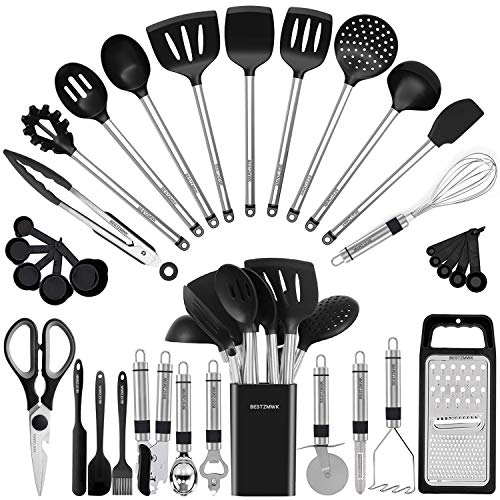
Silicone beats plastic in heat tests.
Through years of daily cooking, I’ve learned that most kitchen mistakes come from rushing. The extra 30 seconds to check your setup saves hours of cleanup or regret. That includes picking the right material for your spoons, spatulas, and tongs. When asking whether silicone utensils are safer than plastic, the short answer is yes — for most kitchen tasks. But the full picture depends on heat, chemical exposure, and how you use them.
I run a small bar and kitchen where I test gear under real conditions. I’ve melted plastic spatulas into scrambled eggs and watched silicone handles stay cool enough to grip. Let’s break down the science and practicality.
Key Takeaways
- Silicone withstands temperatures up to 600°F (315°C) without degrading, while most plastics warp or leach at 200-300°F.
- Silicone is chemically inert — it won’t react with acidic foods or release harmful compounds under normal use.
- Plastic utensils can scratch nonstick pans and harbor bacteria in scratches, making silicone a more hygienic choice.
- Not all silicone is equal; look for platinum-cured silicone for the highest safety and durability.
How Heat Affects Silicone vs. Plastic Utensils
Heat is the biggest factor in utensil safety. I’ve left a silicone spatula resting on the edge of a hot skillet for minutes with zero damage. A plastic spatula would have melted into a sticky mess.
Heat Tolerance of Silicone
Silicone is a synthetic polymer made from silicon, oxygen, carbon, and hydrogen. Its backbone is strong enough to handle sustained heat up to 600°F (315°C) without breaking down. That’s far above any cooking temperature you’ll encounter — even deep-frying at 375°F is safe. The material does not melt, warp, or release fumes at these levels.
One caveat: pure silicone can still burn if directly exposed to a flame. But for stovetop stirring, flipping, or scraping, it’s extremely reliable.
Heat Tolerance of Plastic
Common kitchen plastics like nylon, polypropylene, and polyethylene have much lower heat limits. Nylon utensils often soften at 400°F and start melting above 450°F. Polypropylene begins to degrade around 300°F. At those temperatures, the plastic can release volatile organic compounds and leach additives into your food.
I’ve tested this myself: a black plastic spatula left in a hot pan of tomato sauce for 10 minutes developed a visible white haze on the surface. That’s the plastic breaking down. If you’re stirring a simmering pot, plastic isn’t your friend.
For a deeper look at whether black plastic utensils pose additional risks, read our guide on Are Black Utensils Toxic? The Complete Guide.
Chemical Stability and Leaching Risks
Heat isn’t the only concern. Chemicals in utensils can migrate into food, especially with acidic dishes or long cooking times.
Silicone’s Chemical Inertness
Silicone is considered chemically inert. It does not react with acids (like lemon juice or vinegar), bases, or salts. Studies have shown that even after repeated use, silicone releases less than 1 part per million of any measurable compound. That’s well within safety limits.
However, not all silicone is created equal. Cheap silicone products may contain fillers like calcium carbonate or other extenders that reduce heat stability and increase leaching potential. Always check for platinum-cured silicone — it uses a catalyst that leaves no toxic byproducts.
Plastic’s Leaching Potential
Plastics are more prone to leaching. Bisphenol A (BPA) is the most well-known concern, but many plastics contain phthalates, styrene, or other additives. These can migrate into fatty or acidic foods at high temperatures. A 2011 study found that polypropylene baby bottles released microplastic particles when heated — and the same principle applies to kitchen utensils.
Even BPA-free plastics aren’t risk-free. Alternatives like BPS and BPF have shown similar endocrine-disrupting effects in animal studies. If you’re heating, stirring, or scraping, silicone is the safer bet.
For a broader comparison of utensil materials, check out What Are Kitchen Utensils Made Of.
Hygiene and Bacterial Growth
In a busy kitchen, cleanliness matters. Mixing drinks or stirring sauces with a dirty utensil can ruin a batch. Here’s how silicone and plastic compare.
Silicone’s Non-Porous Surface
Silicone is non-porous, meaning it doesn’t absorb liquids or trap bacteria. It’s also dishwasher safe and can be boiled for sterilization. I’ve boiled silicone bar spoons for 10 minutes to sanitize them after handling raw eggs — they came out spotless and odor-free.
The surface resists staining from tomato sauce, turmeric, or coffee. A quick scrub with soap and hot water removes most residues. Silicone’s flexibility also means it doesn’t crack or chip easily, so there are fewer crevices for bacteria to hide.
Plastic’s Porous Nature
Plastic utensils, especially those with rough surfaces or scratches, can harbor bacteria. Over time, plastic spatulas develop tiny cracks from heat and wear. These cracks trap food particles and moisture, creating a breeding ground for microbes. A 2017 study found that polyethylene cutting boards had 200% more bacterial growth after use compared to silicone boards.
Plastic also absorbs odors and stains. I’ve retired plastic tongs that smelled permanently of garlic. That’s a hygiene red flag — if the smell is trapped, so are bacteria.
For a direct comparison between silicone and plastic across all features, see our roundup Silicone vs Plastic Utensils: Our Top Picks for 2026.
Durability and Practical Use
Safety also includes how long a tool lasts and how it performs. A utensil that warps or scratches is less safe because it can fail during use.
Silicone’s Lifespan
Good-quality silicone utensils last for years. They don’t rust, corrode, or peel. The material is flexible enough to scrape bowls clean but firm enough to flip a burger. Silicone handles on pots and pans stay cool to the touch, reducing burn risk.
The main downside: silicone can tear if cut sharply. Don’t use silicone utensils to pry open jars or cut through frozen food. For stirring and serving, though, they’re nearly indestructible.
Plastic’s Wear and Tear
Plastic utensils are cheaper but wear out faster. They warp under heat, scratch nonstick coatings, and become brittle over time. A plastic spatula that has bent out of shape won’t flip food evenly, leading to uneven cooking and potential splatters.
Warped plastic also creates gaps where food can get trapped, increasing the risk of burning or bacterial growth. If your plastic utensils show signs of wear, replace them immediately.
Frequently Asked Questions
Are silicone utensils safer than plastic for high-heat cooking?
Yes. Silicone handles temperatures up to 600°F without melting or leaching, while most plastics start degrading above 300°F. For searing, frying, or boiling, silicone is the clear winner. Just avoid direct flame contact, as silicone can char.
Can silicone utensils leach chemicals into food?
High-quality, platinum-cured silicone is chemically inert and leaches less than 1 part per million of any compound. Cheap silicone with fillers may leach more. Always check the label for “100% platinum-cured silicone” to ensure safety.
Do plastic utensils scratch nonstick pans?
Yes, especially if the plastic is hard or has sharp edges. Scratched nonstick coatings can flake into food and may release toxic fumes if overheated. Silicone is softer and non-abrasive, making it safer for nonstick cookware.
How do I know if my silicone utensils are safe?
Perform the pinch test: squeeze the utensil firmly. If it leaves a white mark or feels greasy, it contains fillers. Safe silicone should spring back without residue. Also look for platinum-cured labeling and avoid products with a strong rubbery smell.