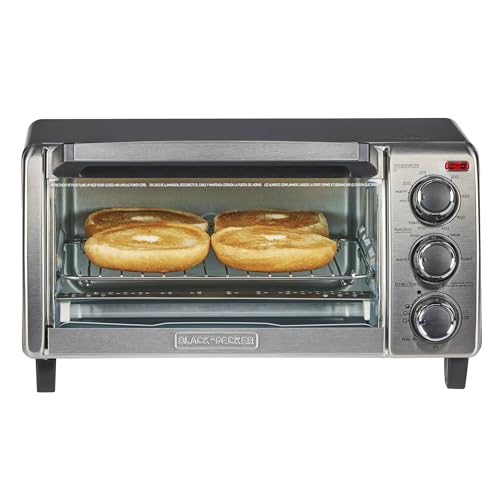
I remember the first time I tried to heat a bar snack in a tiny, old toaster oven at a friend’s apartment. The cheese didn’t melt evenly, the bread burned on one side, and I ended up scraping the tray for ten minutes. Through years of daily cooking, I’ve learned that most kitchen mistakes come from rushing. The extra 30 seconds to check your setup saves hours of cleanup or regret. When you shop toaster oven models for your own kitchen, that same principle applies: understanding the machine’s strengths and quirks makes every use smoother.
Key Takeaways
- Toaster ovens heat differently than full ovens — shorter preheat times and closer elements require adjusted rack positions and bakeware.
- Glass and ceramic bakeware work well but need careful handling to avoid thermal shock; metal pans deliver more consistent browning.
- Cleaning the crumb tray and interior after each use prevents smoke, off-flavors, and extends the appliance’s life.
Understanding How a Toaster Oven Works — Heat, Airflow, and Your Glassware
To get the best results when you shop toaster oven options, it helps to know the basic science inside the box. A toaster oven uses electric heating elements — usually quartz or metal rods — placed at the top and bottom of the cavity. A small fan circulates hot air in convection models, while basic models rely on natural air movement. The heating elements are much closer to your food than in a full-size oven, so the radiant heat is more intense. This means you can brown cheese or toast bread in under three minutes, but it also means you need to watch your food carefully to avoid burning.
Why Rack Position Matters More Than You Think
The top element runs hotter than the bottom in most toaster ovens. If you place your dish on the highest rack, the top of your food will cook faster. For even results, position the rack in the middle or lower third. For melting cheese on a sandwich, the top rack works perfectly. For baking a small cake, use the lower rack and rotate the pan halfway through.

Choosing the Right Bakeware for Your Toaster Oven
Not all pans work well in a toaster oven. The compact space and close elements mean you need bakeware that fits without touching the walls or elements. Leave at least 1 inch of space on all sides for air circulation. Here are the main material options and how they perform.
Metal Pans — Best for Even Browning
Aluminum and stainless steel pans heat up quickly and conduct heat well. They produce consistent browning on the bottom and sides of baked goods. Avoid non-stick coatings if you plan to use high heat — they can degrade above 500°F (260°C). A simple, uncoated aluminum baking sheet is my go-to for reheating bar snacks and roasting vegetables.
Glass and Ceramic Bakeware — Great for Even Heating, But Fragile
Glass and ceramic dishes retain heat beautifully and produce even cooking. However, they are prone to thermal shock. Never place a cold glass dish directly into a preheated toaster oven. Always let it come to room temperature first. Also, avoid using glass under the broiler setting — the direct radiant heat can cause it to shatter. For baking small casseroles or individual desserts, glass works wonderfully when handled correctly.
Key Features to Consider When You Shop Toaster Oven Models
Before you buy, think about how you’ll actually use the appliance. Different features matter for different cooking styles. Here are the most important factors based on my experience in busy kitchens.
Size and Capacity
Measure your counter space and the typical food you cook. A toaster oven that fits a 12-inch pizza can handle most sheet pan meals. Smaller models work for toast, bagels, and small casseroles. Remember that the interior dimensions are smaller than the exterior — check the usable cooking area, not just the outside measurements.
Convection Fan vs. Standard
A convection fan circulates hot air, reducing cooking times by about 25% and producing more even browning. If you plan to roast vegetables, bake small pastries, or cook frozen foods, convection is worth the extra cost. Standard models work fine for toast, reheating, and simple oven meals, but you’ll need to rotate pans halfway through for even results.
Temperature Range and Controls
Look for a model that reaches at least 450°F (232°C) for proper roasting and baking. Some toaster ovens max out at 425°F (218°C), which is fine for most tasks but may not crisp pizza or roast chicken skin as well. Digital controls with a timer are easier to set precisely than mechanical dials. A built-in probe thermometer is a luxury but very useful for cooking meat safely.
How to Use Your Toaster Oven for Better Results — Step by Step
Step 1: Preheat Properly
Most toaster ovens preheat in 3 to 5 minutes. Don’t skip this step. Placing food into a cold oven leads to uneven cooking and longer times. Use the preheat indicator light or a simple oven thermometer to confirm the interior has reached the set temperature.
Step 2: Choose the Right Rack Position
As mentioned earlier, the middle or lower third rack gives the most even heat. For browning the top of a casserole or melting cheese, use the top rack. For roasting vegetables, use the lower rack to avoid burning the tops before the centers are tender.
Step 3: Use the Correct Bakeware
Metal pans for browning, glass for even heat, and always leave space around the pan. Avoid using oversized pans that touch the heating elements. If you’re looking for the right pan to start with, our Best Toaster Oven for Baking Worth Buying in 2026 guide covers which models work best with different pan materials.
Step 4: Rotate and Monitor
Even with convection, hot spots exist. Rotate your pan 180 degrees halfway through cooking. Check your food a few minutes before the timer goes off — toaster ovens can cook faster than expected, especially for small batches.
Step 5: Clean After Each Use
Let the oven cool completely, then remove and wash the crumb tray. Wipe the interior walls with a damp cloth. Built-up grease and crumbs can smoke and cause off-flavors in your next dish. A clean toaster oven performs better and lasts longer.
Common Mistakes and How to Fix Them
Food Burning on the Outside but Raw Inside
This happens when the oven is too hot or the rack is too high. Lower the temperature by 25°F (14°C) and move the rack down. Cover the food with foil for the first half of cooking to prevent over-browning.
Uneven Toasting
One side of the toast is dark, the other pale. This is usually caused by the heating element cycling on and off. Use the middle rack and flip the bread halfway through. Some models have a “bagel” setting that only uses the top element — use that for toasting cut bagels.
Smoke During Cooking
Grease drips onto the heating elements or crumb tray. Always place a baking sheet under foods that drip, and clean the crumb tray regularly. If smoke appears, open the oven door briefly to let it clear, but watch the food closely.
Advanced Techniques — Using Your Toaster Oven Like a Pro
Once you’re comfortable with the basics, you can expand your toaster oven’s repertoire. Here are a few advanced uses that impress guests and save time.
Roasting Nuts and Seeds
Spread raw almonds or pumpkin seeds on a metal baking sheet and roast at 350°F (177°C) for 8 to 12 minutes, shaking halfway through. The toaster oven’s close heat produces even toasting without burning. Perfect for bar snacks or cocktail garnishes.
Making Small Batch Granola
Mix oats, nuts, oil, and sweetener, spread on a sheet pan, and bake at 325°F (163°C) for 15 to 20 minutes, stirring every 5 minutes. The toaster oven’s compact space helps the granola crisp quickly without turning dark.
Reheating Fried Foods
Place leftover fries or chicken on a wire rack set over a baking sheet. Bake at 400°F (204°C) for 5 to 8 minutes. The wire rack allows hot air to circulate around the food, restoring crispness better than a microwave.
Caring for Your Toaster Oven — Longevity Tips
A well-maintained toaster oven can last for years. Here’s how to keep it in top shape.
Daily Cleaning
Remove and wash the crumb tray with warm soapy water. Wipe the interior with a damp cloth. Never use abrasive cleaners that can damage the non-stick coating or stainless steel.
Deep Cleaning Every Few Months
For stubborn grease, mix a paste of baking soda and water. Apply to the interior walls (avoiding the heating elements), let sit for 15 minutes, then wipe with a damp cloth. Rinse the cloth frequently to avoid spreading grease.
Check the Door Seal
If the door doesn’t close tightly, heat escapes and cooking times increase. Clean the seal with a damp cloth and check for food debris. If the seal is damaged, contact the manufacturer for a replacement.
Frequently Asked Questions
Can I bake a cake in a toaster oven?
Yes, you can bake small cakes, muffins, and brownies in a toaster oven. Use a pan that fits with at least 1 inch of space around it. Reduce the recipe temperature by 25°F (14°C) compared to a full oven, and check for doneness 5 minutes early. Our guide on How To Master Baking Cake In A Toaster Oven provides detailed steps for perfect results.
What size toaster oven should I buy?
Choose a model that fits your typical cooking needs. For toasting bagels and reheating leftovers, a compact model with a capacity of 0.5 to 0.7 cubic feet works. For roasting a whole chicken or baking a 12-inch pizza, look for a larger model with at least 0.8 cubic feet. Always measure your counter space first.
How do I clean the heating elements?
Never touch the heating elements directly. Let them cool completely, then use a soft brush or compressed air to remove loose crumbs. For grease buildup, gently wipe with a damp cloth, but avoid getting the electrical connections wet. Most grease burns off during normal use.
Can I use aluminum foil in a toaster oven?
Yes, but with caution. Always place foil on the baking sheet, not directly on the bottom of the oven. Never cover the heating elements or block the convection fan. Use foil to tent food that is browning too quickly, but remove it for the last few minutes to crisp the surface.