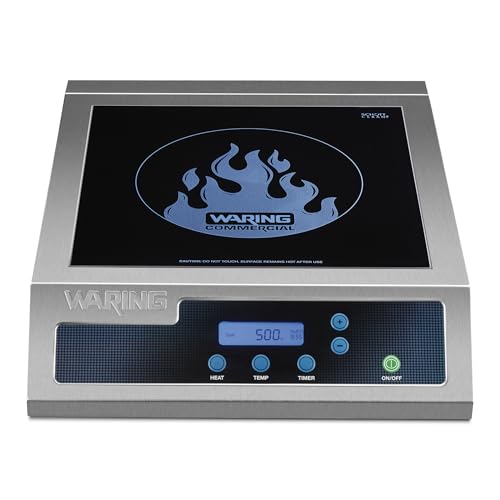
Something surprising happened in the kitchen appliance world over the last few years: gas stoves started losing popularity. Not because of taste — plenty of chefs still swear by open flame — but because induction ranges quietly proved they could boil water faster, hold temperatures more precisely, and stay cooler to the touch. I’ve tested hundreds of kitchen products over the years, and the ones that last are never the flashiest — they’re the simplest, heaviest, and most boring-looking tools in the drawer. Induction ranges fit that description perfectly. They look like a glass cooktop, but underneath, a magnetic field heats your pan directly, skipping the burner entirely. If you’ve been curious about induction ranges, this guide covers what they are, how they work, and what you need to know before buying one in 2026.
Key Takeaways
- Induction ranges use electromagnetic energy to heat pans directly, not the cooktop surface.
- You need magnetic cookware — cast iron, enameled cast iron, and most stainless steel with a magnetic bottom work.
- Induction is faster and more energy efficient than gas or standard electric, but requires a dedicated 240V circuit.
- Cleaning is simpler because the glass top stays cool enough to wipe spills immediately after cooking.
How an Induction Range Works
An induction range has a glass-ceramic surface with copper coils underneath. When you turn on a burner, electricity runs through the coil, creating a magnetic field. That field only heats the metal in your pan — the glass itself stays cool. This is different from standard electric ranges, which heat a coil or a glass surface, then transfer that heat to your pan.
The key requirement is that your cookware must be magnetic. If a magnet sticks firmly to the bottom of your pot, it will work. If not, the range won’t heat it at all.
The Science Behind the Speed
Induction transfers energy directly into the pan’s metal molecules. Because there is no intermediate heating element, the pan heats up almost instantly. A liter of water boils on an induction range in about half the time it takes on gas. For a bartender or home cook who needs to bring syrups or broths to temperature quickly, that speed matters.
Common Misconception: Induction vs. Electric
People sometimes confuse induction with standard electric glass-top cooktops. Both have a smooth surface, but electric glass tops still use hot coils or halogen bulbs underneath. The glass gets dangerously hot. With induction, the glass only gets warm from the hot pan sitting on it — not from the burner itself. That means less heat in your kitchen and a lower risk of burns.
What to Consider Before Buying an Induction Range
Switching to an induction range isn’t as simple as swapping out your old stove. There are a few practical factors you need to check first.
Electrical Requirements
Most induction ranges require a 240-volt outlet, just like a standard electric range. If you currently have gas, you will need an electrician to run a new circuit. Portable induction cooktops, which plug into a standard 120V outlet, exist but are less powerful. For a full range, plan for the electrical work. If you are curious about portable options, see our roundup of the best induction range 120V of 2026.
Cookware Compatibility
As mentioned, only magnetic cookware works. Cast iron, enameled cast iron, and magnetic stainless steel are all fine. If you own a collection of copper or anodized aluminum pots, you will need to replace them or buy a magnetic interface disk, which sits between the pan and the cooktop. Those disks work, but they reduce efficiency and slow down heating.
Size and Layout
Induction ranges come in standard widths — 30 inches is most common, with some 36-inch models for larger kitchens. The burner layout varies. Some have a single large burner in the front, others have two smaller burners in the back. Think about how you cook. If you frequently use a large stockpot and a skillet at the same time, look for a model with two large burners.
Noise and Fan Sounds
Induction ranges often have cooling fans that run while cooking. They are not silent. Some people barely notice the hum, others find it distracting. If noise bothers you, read reviews specifically about fan volume before buying.
How to Use an Induction Range
Using an induction range is straightforward, but there are a few tricks that make a big difference.
Step 1: Place the Pan Correctly
The pan must sit centered over the burner. Induction ranges only heat the area where the pan touches. If the pan is off-center, part of it stays cold. Most ranges have guides or circles on the glass to help you align your cookware.
Step 2: Adjust Power Levels
Induction ranges respond almost instantly to changes. If you set the power to high, the pan heats in seconds. Turn it to low, and the heat drops just as fast. This is great for precise simmering, but it takes a little practice if you are used to gas or electric, which lag behind.
Step 3: Use the Right Pan Size
Match your pan size to the burner size. A small pan on a large burner will heat unevenly, and the range may not detect it at all. Most induction ranges have a minimum pan size — if the pan is too small, the burner won’t turn on. For best results, use pans that are close to the burner diameter.
Step 4: Lift, Don’t Slide
Sliding pots and pans across the glass top can scratch it. Lift them instead. This keeps the surface smooth and easy to clean.
Cleaning and Maintenance of an Induction Range
One of the biggest advantages of induction ranges is how easy they are to clean. The glass surface never gets hot enough to burn food on, so spills wipe up quickly.
Daily Cleaning
After cooking, let the glass cool for a minute — it cools faster than a standard electric top because it didn’t heat up. Then wipe with a damp cloth and a mild detergent. For stubborn spots, use a ceramic cooktop cleaner and a soft scrub pad. Avoid abrasive sponges or steel wool.
Removing Burnt-On Residue
If something does burn onto the glass, spray a little white vinegar on the spot, let it sit for a minute, then scrape gently with a plastic scraper made for cooktops. Do not use metal blades or razor scrapers — they scratch the surface.
Preventing Scratches
Keep the bottom of your pans clean. Grains of salt or grit trapped between the pan and the glass can scratch the surface when you slide the pan. Wipe the glass and the pan bottoms before cooking.
Induction Range vs. Gas vs. Electric
Each cooking technology has strengths. Here is a quick comparison based on real-world use.
Speed
Induction wins by a wide margin. It boils water in roughly half the time of gas or electric. For a home cook who often makes pasta or blanches vegetables, that time adds up.
Temperature Control
Gas gives you instant visual feedback — you see the flame — but the actual pan temperature lags. Induction responds almost instantly to dial changes, which makes it excellent for delicate sauces or melting chocolate.
Energy Efficiency
Induction converts about 85% of the energy it uses into heat for your food. Gas converts only about 40%; the rest heats the air around the pan. Over a year, induction can save you noticeable money on your energy bill.
Kitchen Temperature
Because induction doesn’t heat the air around the pan, your kitchen stays cooler in summer. Gas ranges can raise the room temperature by several degrees during a long cooking session.
Who Should Buy an Induction Range
Induction ranges are not for everyone. They work best for people who:
- Cook quickly and want precise temperature control.
- Prefer a cool kitchen and easy cleanup.
- Have magnetic cookware or are willing to buy new pans.
- Have a 240V outlet available or are willing to install one.
If you cook on high heat constantly and need a pan to stay hot even when you remove it from the burner, induction might feel limiting — the heat stops the moment you lift the pan. But for most tasks, it works beautifully. If you are looking for a full range with an oven, check our guide to the best induction oven ranges of 2026.
Induction Range Safety
Induction ranges are generally very safe. The surface stays cool, so children and pets are less likely to burn themselves. Also, the range only heats when a pan is present — if you turn on a burner and walk away without a pan, the surface stays cool. Most models also have automatic shutoff timers.
Pacemaker Concerns
Some older pacemakers can be affected by the magnetic field from an induction range. If you or someone in your home has a pacemaker, check with a doctor before using induction. Modern pacemakers are usually shielded, but it’s worth confirming.
Frequently Asked Questions
Can I use any pan on an induction range?
No. Only pans with a magnetic bottom work. To test, hold a magnet to the bottom of your pan. If it sticks firmly, the pan will work. Stainless steel, cast iron, and enameled cast iron all work. Copper, aluminum, and glass do not, unless they have a magnetic layer bonded to the bottom.
Do induction ranges need special wiring?
Most full-size induction ranges require a 240-volt outlet, the same as a standard electric range. If your kitchen currently has gas, you will need an electrician to run a new circuit. Portable induction cooktops plug into a standard 120V outlet.
How long does an induction range last?
A well-maintained induction range lasts 10 to 15 years. The glass top can scratch or crack if abused, but the internal components are generally reliable. Regular cleaning and careful handling of pans help extend the lifespan.
Final Thoughts on Induction Ranges
Induction ranges are a practical, modern choice for the home kitchen. They cook fast, stay cool, and clean up easily. The main upfront costs are the range itself and possibly electrical work, but the energy savings over time help offset that. If you are serious about cooking and want precise control without the heat of gas, an induction range is worth the switch. For those who cook with a wok often, see our recommendations for best induction ranges with wok for 2026.