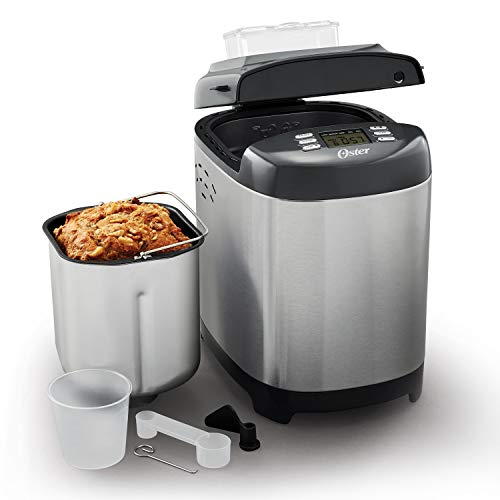
I’ve tested hundreds of kitchen products over the years, and the ones that last are never the flashiest — they’re the simplest, heaviest, and most boring-looking tools in the drawer. That reality hit me hard when I started seriously looking into a homemade bread maker. Not the standalone plastic boxes that take up counter space and produce square loaves, but the actual process of making bread at home with the gear you already own. If you think you need a dedicated bread machine to get good results, you’ve been sold a myth. Here’s what actually works.
Key Takeaways
- You do not need a standalone bread machine. A quality stand mixer with a dough hook — and your own two hands — produces superior loaves with more control.
- Dishwasher-safe parts and durable non-stick coatings are the difference between a tool you use weekly and one that ends up in a garage sale.
- Mastering hydration levels and kneading times (not fancy gadgets) is the real secret to bakery-quality homemade bread.
Why Your Stand Mixer Is Already a Homemade Bread Maker
Most people assume a homemade bread maker is a specific appliance. The truth is that any stand mixer with a dough hook attachment is a bread maker. The key difference is control. Standalone machines lock you into a fixed cycle — they heat, knead, and bake in a preset order. A stand mixer lets you feel the dough, adjust hydration on the fly, and bake in a real oven where you can manage steam and temperature.
I’ve been using the same 5-quart tilt-head mixer for over a decade. It’s scratched, the paint is chipped, but the motor still powers through a 2-kg batch of stiff sourdough without straining. That kind of longevity comes from simple mechanics: metal gears, a strong motor, and parts that are easy to replace. If you’re in the market for a mixer, look for one with a stainless steel bowl and a dough hook that’s thick enough to handle heavy dough without bending.
What to Look for in a Stand Mixer for Bread
Not all mixers are created equal when it comes to bread. The first thing I check is the motor wattage. For regular bread dough (60-65% hydration), anything above 300 watts is fine. For stiff doughs like bagels or pretzels, you want 500 watts or more. The second thing is the dough hook design. C-shape hooks work for most home bakers, but spiral hooks do a better job of mixing the dough without riding up the shaft.
The third and most overlooked factor is how easy the hook and bowl are to clean. If the hook has a hollow center or crevices where dough gets trapped, you’ll be scrubbing by hand. I refuse to buy any attachment that isn’t dishwasher-safe. If you’re looking for a solid guide on mixing dough without a mixer, check out our article on how to mix bread dough without a mixer — it covers hand-kneading techniques that are just as effective.
The Three Stages of Making Bread with a Stand Mixer
Using a stand mixer as your homemade bread maker involves three distinct stages: mixing, kneading, and proofing. Each stage requires different attention and technique.
Stage 1: Mixing the Ingredients
Start by combining flour, water, yeast, and salt in the mixer bowl. Use the paddle attachment on low speed (speed 2 on most KitchenAid models) for about 30 seconds until a shaggy dough forms. This prevents flour from flying everywhere. Then switch to the dough hook.
Key tip: always add the water first, then the flour, then the yeast and salt on opposite sides of the bowl. This prevents the salt from killing the yeast before it activates. For a standard white loaf, use 500g bread flour, 325g water (65% hydration), 10g salt, and 7g instant yeast.
Stage 2: Kneading the Dough
Knead on speed 2 for 8-10 minutes for a standard loaf, or 12-15 minutes for whole wheat or rye doughs. The dough should pull away from the sides of the bowl and form a smooth, elastic ball. To test if it’s ready, do the windowpane test: stretch a small piece of dough between your fingers. If it forms a thin, translucent membrane without tearing, it’s done.
Over-kneading is a real risk with powerful stand mixers. If the dough starts to feel warm (above 82°F / 28°C), stop immediately. Overworked dough will become sticky and slack, and the bread will be tough. If you’re new to bread making, err on the side of slightly under-kneading rather than over-kneading. You can always do a few folds by hand during bulk fermentation.
Stage 3: Proofing and Baking
Once kneaded, shape the dough into a ball and place it in a lightly oiled bowl. Cover with plastic wrap or a damp towel and let it rise at room temperature (70-75°F / 21-24°C) for 1-2 hours, or until doubled in size. For a more flavorful loaf, do a cold proof in the refrigerator overnight (12-18 hours). This develops the sour notes and makes the crust crisper.
When you’re ready to bake, preheat your oven to 450°F (232°C) with a Dutch oven or baking stone inside for at least 30 minutes. Scoring the loaf with a sharp blade just before baking allows for controlled expansion. Bake with steam (spray water inside the oven or add ice cubes to a preheated pan) for the first 20 minutes, then remove the lid and bake for another 20-25 minutes until the internal temperature reaches 200-210°F (93-99°C).
If you don’t have a Dutch oven, you can still get a great crust. For a detailed guide, see our article on how to make sourdough bread without a Dutch oven — it covers steam methods and alternative pans.
Why Dedicated Bread Machines Fail (And What to Use Instead)
I’ve repaired dozens of standalone bread machines over the years. The most common failure points are the non-stick coating on the pan and the drive belt. After about 50-100 loaves, the coating starts flaking off into the bread, and the belt stretches or snaps. Because the pan and belt are proprietary parts, replacement costs often equal half the price of a new machine. It’s a disposable appliance disguised as a convenience tool.
A stand mixer, by contrast, has a replaceable bowl, a metal dough hook that lasts decades, and a motor that can be serviced. The only thing a bread machine does that a stand mixer can’t is bake. But baking in a real oven gives you better control over heat distribution and steam, which means a better crust and crumb structure.
Choosing the Right Attachments and Tools
If you’re serious about using your stand mixer as a homemade bread maker, you need the right attachments. The standard flat beater is useless for bread. You need a dough hook, and not all dough hooks are the same. Spiral hooks (common on Bosch and Ankarsrum mixers) are more efficient than C-hooks because they fold the dough into itself rather than just pushing it around the bowl.
For wet doughs (70% hydration and above), a dough scraper is essential. It helps you release sticky dough from the bowl without scratching the surface. I also recommend a bench scraper for dividing dough and cleaning your work surface. And if you’re making enriched doughs like brioche or challah, a flexible edge beater (available for KitchenAid mixers) scrapes the sides of the bowl as it mixes, ensuring even incorporation of butter and eggs.
One attachment I never use for bread is the pasta roller. It’s great for pasta, but I’ve seen people try to use it to flatten dough for bread rolls — that’s a mess. Stick to the dedicated bread tools.
Cleaning and Maintenance: The True Test of a Tool
I judge every kitchen tool by how easy it is to clean. If I can’t throw it in the dishwasher, it better be incredibly easy to hand-wash. For stand mixer dough hooks, the best ones are solid stainless steel with no crevices. Avoid hooks with a hollow center or a coating that can chip. After kneading, let the dough residue dry for a few minutes — it peels off much easier than when it’s wet.
The mixer bowl should be dishwasher-safe. Glass bowls are heavy and breakable; stainless steel bowls are lighter, more durable, and clean up without staining. For the mixer itself, never submerge the head. Wipe it down with a damp cloth. If dough gets stuck around the attachment hub, use a toothpick to dislodge it — never use a metal tool that could scratch the finish.
Frequently Asked Questions
Can I use a hand mixer instead of a stand mixer to make bread dough?
Hand mixers are not designed for bread dough. The motor is too weak, and the beaters can’t handle the resistance. You’ll burn out the motor within minutes. Stick to hand-kneading or invest in a stand mixer. For a step-by-step guide on kneading by hand, see how to mix bread dough without a mixer.
What hydration level is best for a stand mixer?
For most stand mixers, a hydration range of 60-70% is ideal. Below 60%, the dough is too stiff and can strain the motor. Above 75%, the dough becomes too sticky for the hook to handle effectively — you’re better off using the stretch-and-fold method by hand. Adjust the water amount based on your flour type: bread flour absorbs more water than all-purpose.
How do I prevent the mixer from walking across the counter?
Heavy dough can cause a lightweight mixer to vibrate and move. Make sure the mixer’s suction feet are clean and pressed firmly onto a dry surface. If your mixer doesn’t have suction feet, place a silicone mat or a damp towel underneath. For very stiff doughs, hold the mixer head with one hand while it runs, but never force it.
Can I use my stand mixer to knead gluten-free dough?
Yes, but with caution. Gluten-free doughs are more like thick batters and require a paddle attachment, not a dough hook. They also need less kneading time — about 3-5 minutes on low speed. Over-mixing can make the bread gummy. Always follow a recipe designed for gluten-free flours, as hydration levels differ significantly.