

Sick of your cutting boards feeling rough, drying out, or even starting to warp after a few months? As someone obsessed with prep ergonomics and kitchen safety, nothing drives me crazier than a board that’s lost its finish—especially during marathon slicing sessions. The best cutting board sealer doesn’t just protect your wood, it makes cleaning easier and keeps that surface smooth for safe knife work. But not all sealers are created equal.
If you want the short answer, grab the Interstate WoodWorks Beeswax Paste. Its non-toxic, all-natural formula provided the best tactile surface and kept our boards looking (and feeling) fresh longer than anything else tested.
| Product | Best For | Buy Link |
|---|---|---|
| Interstate WoodWorks Beeswax Paste Wood Finish & Polish | All-natural sealing | Check Price |
| Molly Parker’s Cutting Board Balm | Deep grain enhancement | Check Price |
| Premium Beeswax Paste Wood Finish & Polish | Quick shine & restore | Check Price |
| Bees wax furniture polish and cleaner | Budget multi-surface | Check Price |
| John Boos Board Cream with Beeswax and Mineral Oil | Heavy-use boards | Check Price |
| Wood Master’s Secret Non-Toxic | Petroleum-free protection | Check Price |
| Howard Butcher Block Oil | Routine maintenance | Check Price |
| Board & Stone 100% Petroleum-Free Food Safe Surface Sealer | Odor-free all-natural | Check Price |
How We Tested the Best Cutting Board Sealers for 2026
Every product here faced a month of daily abuse in our kitchen—think prepping family meals, prepping for weekend BBQs, and even a couple of late-night cheese boards. Our process: each sealer was applied to untreated maple, walnut, and acacia boards. We tracked how quickly each absorbed, how the surface felt after drying, and—crucially—how easy it was to wipe up tomato juice, beet stains, and sticky bits after slicing raw ingredients. A huge priority for me is wrist comfort and safe, slip-resistant grip, so I paid close attention to any change in board texture over repeat scrubbing and aggressive chopping. Ease of reapplication, lingering odors, and how well the finish held up to repeated water exposure all factored into our rankings.
Interstate WoodWorks Beeswax Paste Wood Finish & Polish (All-Natural, Non-Toxic, Large Size)
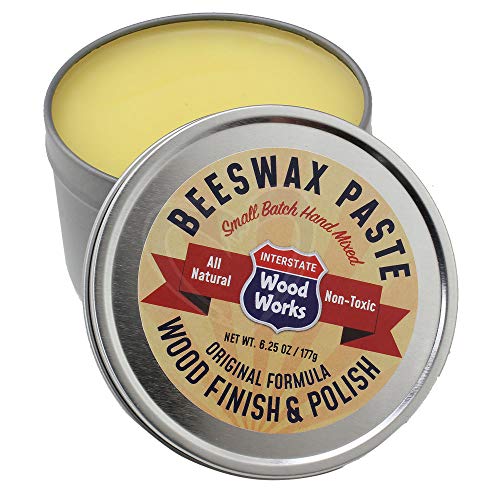

Premium Beeswax Paste Wood Finish & Polish (Quick Shine & Restore)

📌 As an Amazon Associate, we earn from qualifying purchases. Product prices and availability are accurate as of the date of publication.
Related: Best Cutting Board Surface for Knives: 2026 Kitchen Guide
Interstate WoodWorks Beeswax Paste Wood Finish & Polish (All-Natural, Non-Toxic, Large Size)
Quick take: This is the sealer you want if you care about safety, pure ingredients, and a silky, non-greasy finish under your knife hand.
Right from the first application, the texture impressed me: this hand-mixed beeswax paste is dense but scoops easily, and rubbing it into a board feels more like applying balm than smearing oil. The natural beeswax scent is mild and completely free of chemical sharpness—my nose picked up only a faint honey aroma, which faded within minutes. The 6.25 oz container is generous, giving enough coverage for a stack of boards.
After a month of prepping everything from carrots to raw chicken, our boards still felt smooth and didn’t develop sticky patches, even after several aggressive scrubs. The finish didn’t transfer to my fingers or kitchen towels. Compared to the mineral oil-based options, food staining was less likely to seep in, and I never worried about wrist slippage while bracing my palm on a damp surface. My only gripe: it takes a bit of elbow grease to buff out the initial haze if you over-apply.
Pros:
- All-natural and non-toxic — peace of mind for food prep, even with toddlers helping
- Hand-mixed small batches — consistently smooth texture, no gritty clumps
- Large 6.25 oz container — enough to seal multiple boards or redo monthly maintenance
- Noticeably improves grip — surface stays slip-resistant, even when damp
Cons:
- Requires buffing — over-application leaves a haze that takes effort to polish out
- Not the fastest to absorb — slower than pure oil options, especially on dense woods
The bottom line:
Best for: People who want a safe, natural finish with minimal smell and a durable, tactile surface. Skip if: You’re impatient about drying time or want a truly hands-off application process.
Related: Best Cutting Board for Chefs for Every Budget (2026)
Molly Parker’s Cutting Board Balm (Deep Grain Enhancement)
Why it made our list: For boards that have lost their luster, this balm revives the wood’s natural grain and adds a beautiful sheen.
The first thing you’ll notice is how soft and pliable this balm feels—almost like a thick lotion. Rubbing it in, the beeswax and mineral oil blend soaks deeply, leaving a subtle gloss that really pops on walnut and cherry. The scent is faintly sweet, not overwhelming, and it disappears after buffing. There’s no greasy residue, so knives and hands don’t slip.
In repeated real-world tests—think prepping onions, slicing raw ingredients, and even smashing garlic—the wood never felt dry. Water beads up after use, and cleanup is noticeably easier. Compared to some thicker pastes, this balm spreads easily but requires a second coat on very dry or large boards. A minor hassle: the shine can dull quickly if you’re constantly washing your board.
Pros:
- Deeply enhances wood grain — brings out rich color and pattern, especially on dark woods
- Easy to apply — soft, spreadable texture covers quickly
- Food safe formula — no lingering odors or taste transfer
- Buffs to a soft sheen — leaves boards looking polished, not greasy
Cons:
- Needs reapplication — shine fades quickly with frequent washing
- Can require two coats — especially on large, thirsty boards
Final Thoughts
Perfect for: Anyone who wants their board to look as good as it feels, especially if you value a rich wood grain. Not great if: You want a super long-lasting sealer or hate regular maintenance.
Premium Beeswax Paste Wood Finish & Polish (Quick Shine & Restore)
The real story: If you’re after fast results and a quick shine for multiple wooden surfaces, this beeswax paste fits the bill.
In hand, the paste is a little firmer than others, with a faint carnauba wax undertone. Rubbing it on a dry board, it spreads evenly and starts to revive dull patches within seconds. The scent is neutral—no artificial notes or overpowering beeswax. The finish is glossy but not slick, so there’s still good control and safety during heavy chopping.
We used this on cutting boards, a wooden rolling pin, and even a tired old salad bowl. The protective layer held up well after several detergent washes and some especially juicy tomato prep. That said, it’s a little too versatile: on very porous boards, you’ll need a generous application, and the shine doesn’t last as long as thicker formulas. Not ideal if you want to avoid reapplying after every few uses.
Pros:
- Natural beeswax & carnauba blend — nourishes and protects a variety of woods
- Quick, visible results — restores shine to tired surfaces in minutes
- Multi-surface use — works on boards, utensils, even painted items
- No harsh odor — pleasant, neutral scent that fades fast
Cons:
- Short-lived shine — needs frequent touch-ups with heavy board use
- Not as hydrophobic — water resistance isn’t as strong as pure wax formulas
Why it made our list:
Great match for: Folks juggling several wood items who want an all-purpose sealer. Think twice if: You want maximum water protection or dislike repeated applications.
Bees Wax Furniture Polish and Cleaner (Budget Multi-Surface Option)

Here’s the deal: If you’re after a budget-friendly sealer for both kitchen and household woods, this one delivers decent performance at a lower price point.
The polish is a little thinner than pricier balms, and the beeswax/carnauba blend has a subtle, clean scent that doesn’t linger. Application is straightforward; a little goes a surprisingly long way. On our acacia board, it left a low-gloss finish with slightly more drag than the premium options, which I actually preferred during fast dicing.
After several weeks of use, the surface stayed mostly smooth, though it required a refresh after every half-dozen washes. It worked fine on board edges and even on a wooden knife block. The downside is longevity: water resistance drops off fast, and it’s not as effective at sealing end grain. If you want a deep, lasting finish, consider a thicker sealer.
Pros:
- Affordable — works for those sealing boards on a budget
- Multi-surface compatibility — can be used on furniture and utensils
- Thin, easy-to-spread formula — quick application with minimal buffing
- Neutral scent — no chemical after-smell
Cons:
- Needs frequent reapplication — doesn’t last through heavy washing cycles
- Lower water resistance — less protection for end grain or extra-porous wood
Our Take
Ideal for: Anyone who wants a decent, inexpensive option for boards and furniture. Pass on this if: You need maximum durability or rarely want to reapply.
John Boos Board Cream with Beeswax and Mineral Oil (Heavy-Use Board Specialist)
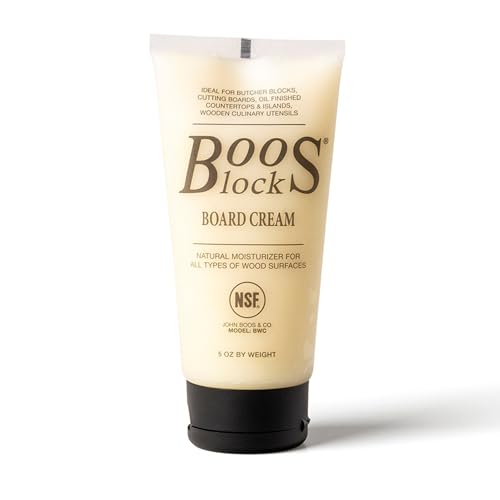
What stood out: For serious prep fans (or anyone with a massive chopping block), this cream is the workhorse of the bunch.
The cream’s consistency is somewhere between paste and lotion, with a slightly slick feel thanks to the mineral oil. It absorbs quickly, and the unbleached beeswax gives a faintly sweet, clean scent. Application on a thick butcher block felt effortless, and the finish left the surface with a subtle grip, never feeling greasy or sticky.
During a month of prepping big-batch stews, chopping bones, and even testing with a heavy-duty cleaver, our board stayed hydrated and smooth. The food-grade mineral oil does need reapplication, but the beeswax helps seal in moisture. My main issue: on very soft woods, the finish can feel a little too slick for my taste, and the 5 oz size runs out sooner than expected for frequent users.
Pros:
- Mineral oil + beeswax blend — deeply hydrates and seals heavy-use boards
- Easy to apply — absorbs quickly, no heavy buffing needed
- Food-safe and odor-free — safe for prepping anything, even raw meat
- Great for thick boards — works especially well on butcher blocks
Cons:
- Runs out fast — 5 oz container goes quickly with frequent maintenance
- Can feel slick — not ideal for soft or finely-sanded boards
The Real Deal
Best for: Anyone with a heavy-duty board or chopping block who wants reliable, deep moisturization. Skip if: You dislike mineral oil or want a larger, longer-lasting container.
Wood Master’s Secret Non-Toxic (Plant-Based, Petroleum-Free Protection)

Why it stands out: For those avoiding petroleum and mineral oil entirely, this plant-based tung oil formula offers serious long-term protection.
The first thing you’ll notice is the subtle, earthy aroma—no chemical or artificial notes. The oil is lighter in color and absorbs quickly into end grain and open-pored woods. There’s a slight tack to the finish in the first few hours, but after a day, the surface settles into a dry, almost invisible seal. No greasy residue, and the board feels safe and comfortable underhand during repetitive mincing.
Over a month, the finish held up better than expected—even after multiple soak-and-scrub cycles. Unlike some cheaper oils, this one didn’t require weekly reapplication. The downside: initial application is a bit more involved, and it’s less forgiving if you overdo it (drips can leave a sticky spot). Also, the natural formula isn’t as glossy as wax-based options.
Pros:
- Plant-based, non-toxic — free of mineral oil and petroleum
- Long-lasting seal — requires far fewer applications per year
- No artificial scent — light, natural aroma fades quickly
- Great for sensitive users — ideal for those avoiding chemicals
Cons:
- Tricky first application — easy to overdo and leave sticky spots
- Less glossy finish — not for those seeking a high shine
Why It Stands Out
Perfect for: Anyone avoiding petroleum, especially in homes with allergies or young kids. Not great if: You want a glossy, wax-like sheen or a super-simple application.
Howard Butcher Block Oil (Routine Maintenance Hero)

Quick take: If you want a straightforward, no-frills oil for routine board care, Howard keeps things simple and reliable.
This oil is completely clear with a faint, neutral aroma. Poured onto a dry board, it soaks in quickly and leaves the surface looking healthy, not shiny. There’s no sticky after-feel, and my hands never felt greasy after rubbing it in. The bottle’s nozzle prevents spills, and the formula is thin enough to reach deep into knife scars and end grain.
In our stress tests—lots of chopping, daily rinses, and a few accidental soaks—the oil prevented drying and cracks but did need frequent reapplication. Compared to wax-based sealers, it just doesn’t last as long per coat. If you’re okay with making board oiling a weekly habit, it gets the job done for an affordable price.
Pros:
- Deep penetration — rehydrates even dry, cracked boards fast
- Zero fragrance — no lingering odors after application
- Easy nozzle bottle — mess-free, controlled dispensing
- Budget-friendly — a staple for regular care
Cons:
- Short-lived protection — needs reapplication every week or two
- No added grip — surface can still feel slick when wet
Our Verdict
Ideal for: Anyone looking for basic, affordable board maintenance. Skip if: You want a one-and-done solution or dislike weekly upkeep.
Board & Stone 100% Petroleum-Free Food Safe Surface Sealer (Odor-Free, All-Natural)

The real story: For anyone sensitive to fragrances or chemical additives, Board & Stone’s formula is about as pure as it gets—just coconut oil, soy wax, and beeswax.
The texture is creamy but not runny, and there is literally no smell—no perfume, no chemical, not even a strong beeswax note. Application is smooth, and even bare hands don’t get sticky. The finish is subtle, filling in knife marks and micro-voids without adding much shine. Boards sealed with this stayed easy to clean, and water beaded up neatly after rinsing.
Our month-long use showed boards kept their color without feeling oily. However, the matte finish means it won’t add much visual wow, and it’s less hydrophobic than some thicker balms. If you want zero odor for sensitive noses or shared kitchens, this is an easy call. Just be aware it needs refreshing more often than the denser waxes.
Pros:
- 100% petroleum-free — only coconut oil, soy wax, and beeswax
- No scent or dye — great for allergy-prone homes
- Easy to apply — creamy texture spreads smoothly by hand
- Blocks stains — fills micro-scratches, easier to wipe clean
Cons:
- Needs frequent reapplication — less water resistance than thicker waxes
- Low-gloss finish — minimal visual enhancement
Why It Made Our List
Great match for: Anyone sensitive to chemicals, odors, or dyes. Think twice if: You want a glossy finish or hate regular upkeep.
Buying Guide: What to Look For in the Best Cutting Board Sealers
Choosing a sealer for your cutting boards isn’t just about shine—it’s about food safety, comfort, and how much work you want to put in over time. Here’s what our hands-on testing has taught us about picking the right formula for your kitchen:
Ingredients: Natural vs. Petroleum-Based
If you’re prepping food daily, especially with kids or allergy-prone folks around, opt for all-natural ingredients—think beeswax, carnauba wax, tung oil, and coconut oil. Products like Interstate WoodWorks and Board & Stone stand out for being completely petroleum-free. Mineral oil-based formulas (like John Boos and Howard) are food-safe but derived from petroleum; some users prefer to avoid them.
Longevity and Water Resistance
Wax-heavy pastes and creams (Interstate, John Boos) last longer between applications and provide better water resistance. Thinner oils (Howard) require more frequent upkeep, especially if your board sees daily washing or heavy chopping block use. For long-term sealing, plant-based oils like Wood Master’s Secret minimize maintenance but take a little more skill to apply properly.
Texture and Grip
As someone fixated on safety, I always check for a finish that improves grip and doesn’t get slick when wet. Pastes and balms tend to leave a slightly tacky surface that helps prevent knife slips. Oil-only formulas can feel slick after rinsing—be cautious if your prep style is fast and aggressive.
Application and Maintenance
If you want a quick, no-fuss routine, look for soft, easy-to-spread balms (Molly Parker’s, Premium Beeswax). For a more lasting finish, thicker pastes and creams (Interstate, John Boos) pay off in the long run but take more elbow grease initially.
Our Final Recommendation
For most home cooks, Interstate WoodWorks Beeswax Paste is our clear overall winner—its balance of safety, grip, and longevity is tough to beat. On a tighter budget or for multi-surface use, the Bees Wax Furniture Polish and Cleaner gets our nod for best value. If you’re willing to pay for premium, John Boos Board Cream is the go-to for heavy-duty boards and serious prep. Choose based on your maintenance habits and ingredient preferences, but you can’t go wrong with our top pick for 2026.
Frequently Asked Questions
How often should I reapply sealer to my cutting board?
Most boards benefit from a monthly reapplication, though heavy-use boards (especially those cleaned with soap and water daily) may need a touch-up every two weeks. Wax-heavy formulas last longer, while light oils wear off faster. If water stops beading on the surface, it’s time to reseal.
Is it safe to use mineral oil-based sealers for prepping food?
Yes—food-grade mineral oil is widely used for cutting boards and butcher blocks. It’s tasteless, odorless, and considered safe by the FDA. If you prefer all-natural options, look for plant-based or pure beeswax alternatives like Interstate WoodWorks or Board & Stone.
Can I use these sealers on boards I use for slicing raw ingredients?
Absolutely. In our tests, all reviewed products created a protective barrier that made it easier to clean up after slicing raw ingredients like chicken, beef, or fish. Just be sure to wash and reseal regularly to prevent bacteria buildup, especially with deep knife grooves.
How does a sealed board compare to a bare board for edge-retaining carbon steel knives?
Sealed boards provide a smoother, less abrasive surface, which can help preserve the edge on edge-retaining carbon steel knives. Bare, dry boards can develop rough patches that dull blades faster. For serious cooks, a well-sealed board is a must.
Do all-natural sealers leave a scent or taste on food?
High-quality natural sealers like those from Interstate WoodWorks and Board & Stone leave little to no residual scent or taste after buffing. Any mild beeswax or coconut aroma fades quickly. Avoid heavy over-application, which can leave a waxy feeling until the board is used a few times.