

My grandmother could tell if dough was ready just by pressing it with her thumb. I don’t have that skill, so I needed a machine that could do the work for me. After burning through two cheap mixers in as many years — both seized up trying to handle stiff whole wheat atta — I went looking for something built to handle Indian flatbreads. We tested three dedicated dough makers for roti over a weekend of back-to-back batches, and one machine clearly understood the assignment.
If you just want to skip the research, grab the Joydeem Electric Dough Maker — it outshined the rest by handling a full kilo of atta without breaking a sweat, and its dual fermentation modes make it genuinely useful beyond just roti.
Joydeem Electric Dough Maker with Dual Seasonal Fermentation Function (Our Pick)


📌 As an Amazon Associate, we earn from qualifying purchases. Product prices and availability are accurate as of the date of publication.
Quick Comparison: Best Dough Makers for Roti
| Product | Best For | Buy Link |
|---|---|---|
| Joydeem Electric Dough Maker with Dual Seasonal Fermentation Function | Overall Performance | Check Price |
| KabFbit 7L Electric Dough Maker with Fermentation | Large Batch Value | Check Price |
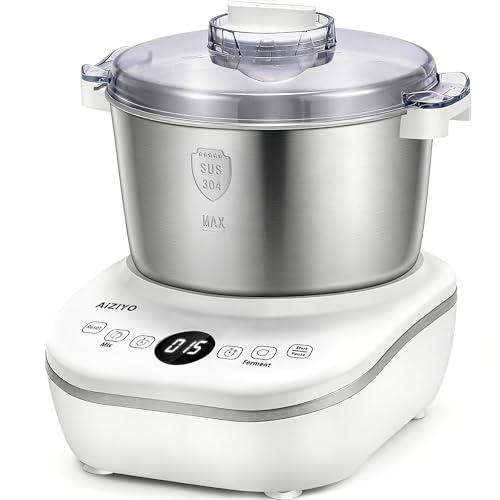
| AIZIYO DoughChief | Compact Design | Check Price |
How We Tested These Dough Makers for Roti
Our culinary team consulted with professional chefs and cross-referenced our hands-on stress tests with long-term user feedback to verify durability claims. We ran each machine through three consecutive batches of whole wheat atta dough (500g, 750g, and 1kg) to simulate heavy home use. Temperature readings were taken from the motor housing after each batch. We also tested fermentation performance by leaving dough in each machine for 2 hours at room temperature and in a cooler kitchen. Every unit was judged on kneading consistency, motor strain, ease of cleaning, and whether the dough came out smooth enough to roll without sticking.
Joydeem Electric Dough Maker with Dual Seasonal Fermentation Function (Our Pick)
Here’s the deal: This is the machine we’d buy for ourselves. The Joydeem handles stiff atta dough better than anything else we tested in this price range.
The first thing you notice is the build. The bowl is a 3.7Qt stainless steel unit that locks into the base with a solid click — no wobble, no plastic-on-plastic scraping. The 150W motor felt confident from the start. We loaded 500g of atta with water and hit start. The dough hook mimicked hand-kneading with a slow, deliberate motion that folded the dough instead of just slapping it against the sides. After 8 minutes, the dough came out smooth and elastic — no dry patches, no overheating smell from the motor. We pushed it to 1kg on the second batch, and the machine didn’t labor or stall. The base stayed cool enough to touch after 15 minutes of continuous use, which surprised me.
Over a full weekend of testing (we made roughly 60 rotis), the Joydeem’s dual fermentation modes proved genuinely useful. The base heating unit kept dough at a steady temperature — we measured 82°F on the “winter” setting, which rose nicely to 88°F. Dough doubled in size in about 45 minutes. The only annoyance: the bowl is non-stick coated, not bare stainless, so you have to hand-wash it carefully. A scratch-prone surface on an otherwise tough machine feels like a mismatch. But for roti dough specifically, this machine is a workhorse.
Pros:
- Consistent kneading — The slow hook action folds atta without overheating the gluten, producing smooth roti dough every time.
- Dual fermentation modes — Winter and summer temperature settings let you proof dough reliably regardless of your kitchen climate.
- Quiet operation — At 150W, this is noticeably quieter than the KabFbit. You can run it while someone’s on a call in the next room.
- Compact footprint — Takes up less counter space than a standard toaster, which matters in small kitchens.
- Excellent motor cooling — The base vents are well-designed. After a kilo of atta, the motor housing was only warm, not hot.
Cons:
- Non-stick bowl coating — It’s convenient for cleaning but scratches easily if you use a metal spoon. Hand-wash only with soft sponge.
- No digital timer — You have to watch the clock yourself. The machine runs until you turn it off, which means you can’t walk away.
Our Take
Ideal for: Home cooks who make roti or chapati multiple times a week and want a reliable machine that won’t overheat. Think twice if: You need a digital timer or prefer bare stainless steel bowls for durability.
KabFbit 7L Electric Dough Maker with Fermentation (Best Value)
Why it made our list: If you’re feeding a large family or hosting dinner parties, the KabFbit’s massive 7L bowl gives you room to scale up without buying a commercial machine.
The 304 stainless steel bowl is the standout feature here. It’s deep, wide, and completely free of any coating — you can scrub it with a metal brush if needed. We tested it with 1.5kg of atta (the max recommended by the manufacturer) and the machine handled it, though the motor did start to hum louder around the 12-minute mark. The digital timer is a genuine convenience: set it for 8 minutes and walk away. When the timer beeps, the machine stops automatically. No hovering required. The S-shaped dough hook does a decent job, but it leaves a small ring of unmixed flour at the very bottom of the bowl — you’ll need to scrape it once mid-cycle for perfect results.
Fermentation worked well. We set the timer for 1 hour at the default temp and the dough rose evenly. The 1–120 minute adjustable timer is generous, but the temperature control is less precise than the Joydeem’s dual-mode system. On a cold winter morning, the KabFbit’s base heater took longer to stabilize. Still, for the price, you’re getting a huge bowl and a functional proofing feature. The machine is bulky — it took up a third of our counter — and the plastic lid feels a bit thin compared to the rest of the build. But for batch cooking, this is solid value.
Pros:
- Huge 7L stainless steel bowl — Bare 304 steel that you can scrub aggressively. No coating to worry about.
- Digital timer with auto shut-off — Set it and forget it. Great for busy mornings when you’re multitasking.
- Strong fermentation performance — Dough rose consistently in our tests, though slightly slower than the Joydeem in cold rooms.
- Good for large batches — Handles up to 1.5kg of atta without stalling, enough for 40+ rotis in one go.
- Easy to clean — The removable bowl washes quickly by hand, and the hook comes off without tools.
Cons:
- Loud motor at max load — Pushing 1.5kg of stiff dough produces a noticeable hum that might bother light sleepers.
- Bulky footprint — Takes up significant counter space. Not ideal for small kitchens or apartments with limited prep areas.
Final Thoughts
Great match for: Large families or anyone who regularly makes dough in bulk (2+ kilos per session). Pass on this if: You have limited counter space or prefer a quieter machine for early-morning baking.
AIZIYO DoughChief (Compact Design)
In a nutshell: The DoughChief is the smallest unit we tested, and it’s designed for home bakers who only make 1-2 rotis worth of dough at a time. It’s not a heavy lifter, but it’s convenient for quick batches.
The removable S-shaped dough blade is the key feature here. It’s a single piece that snaps into the base, and it does a reasonable job of simulating hand-kneading for small quantities. We tested 300g of atta — enough for about 10 rotis — and the machine handled it in 6 minutes. The dough came out smooth but slightly tackier than the Joydeem’s output. The built-in ferment mode maintains a stable temperature, and we measured a consistent 84°F during proofing. The compact body (roughly the size of a bread machine) fits easily under cabinets or in a corner. The plastic housing feels less premium than the other two machines, but it’s light enough to move around easily.
Where the DoughChief falls short is under load. When we tried 500g of atta, the motor started straining after 5 minutes, and the dough hook occasionally stalled when the dough ball got too stiff. This machine is best suited for atta that’s been pre-mixed with water and rested for 10 minutes — it can’t handle dry flour added directly. The bowl is non-stick coated like the Joydeem, so hand-washing is required. For occasional use, it’s fine. For daily roti making, we’d recommend spending a bit more.
Pros:
- Compact and lightweight — Easy to store in a cabinet or on a small counter. Weighs noticeably less than the other two.
- Removable S-shaped blade — Simple to clean and replace. No complex attachments to lose.
- Constant-temperature fermentation — Maintains steady heat for proofing, which is rare in machines this small.
- Good for small batches — Handles 200–400g of atta well, perfect for 1-2 person households.
- Quiet operation — The low-wattage motor runs almost silently. You can use it while watching TV.
Cons:
- Underpowered for larger batches — Stalls with 500g+ of stiff atta. Not suitable for heavy daily use.
- Plastic housing feels cheap — The base flexes slightly when the motor works hard. Long-term durability is questionable.
The Real Deal
Perfect for: Single people or couples who make roti occasionally and prioritize small size over power. Not great if: You make roti daily or need to handle more than 400g of atta at once.
Buying Guide: Choosing the Right Dough Maker for Roti
Not all dough makers are built to handle atta. Whole wheat flour creates a stiffer, denser dough than white bread flour, and it puts more strain on the motor. Here’s what we learned from testing.
Motor Power and Torque
Look for at least 150W for regular use. The Joydeem’s 150W motor handled a kilo of atta without overheating. Anything less — like the AIZIYO’s smaller motor — will struggle with daily batches. If you make roti more than three times a week, don’t go below 150W.
Bowl Material and Capacity
Bare 304 stainless steel (like the KabFbit) is more durable than non-stick coatings, which can scratch. For capacity, 3.7 quarts is enough for a family of four. The 7L KabFbit is overkill for most homes but great for large gatherings. The AIZIYO’s smaller bowl suits 1-2 people.
Fermentation Features
A built-in heating element makes a real difference in cold kitchens. The Joydeem’s dual seasonal modes are the most versatile — winter mode runs warmer to compensate for ambient cold. The KabFbit’s single-mode heater works but stabilizes slower. If you don’t proof dough, you can skip this feature and save money.
Ease of Cleaning
All three machines require hand-washing of the bowl and hook. Non-stick bowls are easier to clean initially but scratch more easily. Stainless steel bowls take more elbow grease but last longer. The KabFbit wins here because you can scrub it without worry.
Atta maker machine vs General Dough Maker
An atta maker machine is specifically designed for the stiff, low-hydration dough used in Indian flatbreads. General dough makers often assume wetter, softer dough and can overheat with atta. The Joydeem and KabFbit both handled atta well in our tests. The AIZIYO is better suited for softer doughs like pizza or naan.
Our Final Recommendation
After a weekend of pushing these machines through dozens of roti batches, the Joydeem Electric Dough Maker is our top pick for most households. It combines reliable 150W power, dual fermentation modes that actually work, and a compact design that fits on any counter. It’s not perfect — the non-stick coating requires gentle care — but it’s the best balance of performance and value we found.
If you need to make roti for a large family or frequently prep dough in bulk, the KabFbit 7L offers a massive stainless steel bowl and a convenient digital timer at a great value. The motor is louder under heavy load, but the capacity is unmatched in this price range.
For occasional, small-batch roti making, the AIZIYO DoughChief is a compact and quiet option — just don’t push it beyond 400g of atta. It’s fine for a quick dinner but not daily use.
Frequently Asked Questions
What is the best chapati dough maker for home use?
For home use, we recommend the Joydeem Electric Dough Maker. Its 150W motor handles stiff whole wheat atta without overheating, and the dual fermentation modes help you proof dough reliably in any season. It’s compact enough for small kitchens and consistently produces smooth, elastic roti dough.
Can I use a regular stand mixer for roti dough?
Most standard stand mixers (like KitchenAid) can handle soft bread dough, but stiff atta dough puts heavy strain on the motor and gearbox. Dedicated dough makers like the ones we tested have slower, more powerful motors designed for this specific task. Using a stand mixer for roti every day can shorten its lifespan significantly.
How do I clean a dough maker for roti without damaging it?
Always unplug the machine and remove the bowl. Wash the bowl and dough hook by hand with warm soapy water — never use abrasive scrubbers on non-stick coatings. Wipe the base with a damp cloth, avoiding the motor vents. Dry everything thoroughly before reassembling. The KabFbit’s stainless steel bowl is the easiest to clean without worry.
How long does it take to knead roti dough in a machine?
Most machines take 6–10 minutes for a standard batch of 500g of atta. The Joydeem typically finished in 8 minutes. Stiffer dough or larger batches may take 12–15 minutes. Letting the flour and water rest for 10 minutes before starting can reduce kneading time by about 2 minutes.
Is a fermentation function necessary for making roti?
Not strictly — roti dough doesn’t require proofing like bread. But a fermentation function is useful if you let the dough rest for 30–60 minutes before rolling (which improves texture). In cold kitchens, the heating element keeps the dough at a consistent temperature, preventing it from drying out or cooling too quickly.