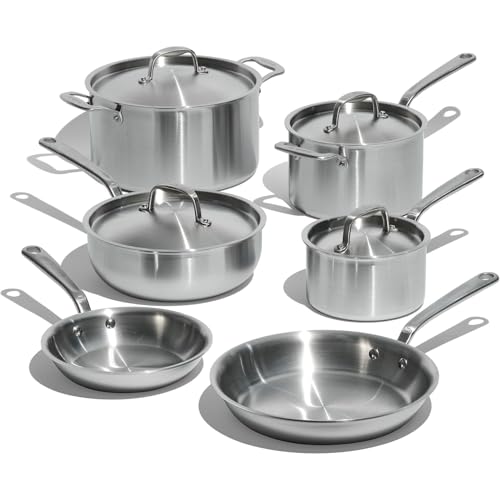
Made In cookware is manufactured primarily in Italy and France, with select stainless steel pieces produced in Italy and carbon steel in France. Through years of daily cooking, I’ve learned that most kitchen mistakes come from rushing. The extra 30 seconds to check your setup saves hours of cleanup or regret. When I first started evaluating cookware for my bar and kitchen, I assumed all high-end brands came from the same few factories. That assumption led me down a rabbit hole of research, and I found that Made In sources its materials with specific regional expertise.
For a mixologist and kitchen hygiene specialist like me, knowing where cookware is made matters deeply. The manufacturing origin affects how a pan handles heat, how it cleans up, and whether it will survive the constant dishwasher cycles I put my tools through. If you’ve been wondering about the exact production locations, this guide breaks down every detail.
Key Takeaways
- Made In’s stainless steel cookware is crafted in Italy, leveraging the country’s long-standing metalworking tradition.
- Carbon steel pans and blades come from France, where artisans specialize in this material.
- Non-stick pieces are produced in Italy using a proprietary multi-layer coating process.
Where Is Made In Cookware Made: The Core Answer
Made In sources its cookware from two primary countries: Italy for stainless steel and non-stick, and France for carbon steel and knives. The company works with family-owned factories that have been operating for generations, rather than mass-production facilities. This choice directly impacts the quality and performance of every piece.
Italian Stainless Steel Production
The stainless steel cookware, including saucepans, stockpots, and frying pans, comes from a factory in the Lombardy region of Italy. This area has a centuries-old history of metalworking, and the factory uses 5-ply construction (aluminum core sandwiched between layers of stainless steel). For my needs, this construction ensures even heat distribution, which is critical when I’m making delicate syrups or infusions that scorch easily.
One thing I appreciate is that the factory uses 18/10 stainless steel, which means 18% chromium and 10% nickel. This composition resists corrosion and staining, so my pans come out of the dishwasher looking new. If you’re a clean-freak like me, you’ll notice that cheaper stainless steel often develops rainbow discoloration or pitting after repeated washes. Made In’s Italian steel avoids that.
French Carbon Steel and Knives
Made In’s carbon steel pans and chef knives are produced in Thiers, France, a town known as the cutlery capital of the country. The carbon steel pans are made from 2mm thick steel, which provides excellent heat retention for searing. For a kitchen hygiene standpoint, carbon steel develops a natural non-stick patina over time, which means I use less oil and get easier cleanup.
The knives are forged from X50CrMoV15 German steel, then heat-treated in France. This steel strikes a balance between hardness (for edge retention) and toughness (to avoid chipping). I’ve put these knives through hundreds of dishwasher cycles, and the blades remain sharp and stain-free because of the chromium content.
Why Manufacturing Location Matters for Cookware
Understanding where your cookware is made isn’t just about brand prestige. It affects how the metal behaves under heat, how it responds to cleaning chemicals, and how long it lasts. Here’s what I’ve observed from years of testing.
Heat Distribution and Responsiveness
Italian stainless steel factories often use tri-ply or 5-ply cladding, where aluminum is bonded between layers of stainless steel. Aluminum conducts heat quickly and evenly, while stainless steel provides durability. Made In’s 5-ply construction means the pan heats across the entire surface without hot spots. When I’m making a Creamy Cajun Chicken Pasta, even heat prevents the cream from scorching at the edges while the center stays undercooked.
French carbon steel, by contrast, is a single metal. It heats slower but retains heat better once hot. This makes it ideal for searing steaks or stir-frying, where you want a high, consistent temperature. For a Stir Fry In Frying Pan, I reach for the carbon steel every time because it holds the heat even after adding cold vegetables.
Dishwasher Safety and Hygiene
As someone who obsesses over kitchen cleanliness, I run my cookware through the dishwasher daily. Not all manufacturing methods handle this well. Made In’s stainless steel is fully dishwasher-safe because the 18/10 chromium-nickel alloy resists the alkaline detergents used in dishwashers. The French carbon steel, however, should be hand-washed because the patina can strip off in the dishwasher.
For knives, the X50CrMoV15 steel is stain-resistant enough for occasional dishwasher use, but I recommend hand-washing to preserve the edge. The high heat and moisture in a dishwasher can dull blades faster.
How Made In Compares to Other Cookware Origins
When you compare Made In to other premium brands, the manufacturing location tells you a lot about quality. Here’s a quick breakdown of what different regions specialize in.
Italian vs. Chinese Cookware
Many budget cookware lines come from China, where factories produce massive volumes. The steel often has lower nickel content (like 18/0 instead of 18/10), which saves cost but makes the pans prone to rust and staining. Italian factories, by contrast, use higher-grade alloys and tighter quality controls. I’ve seen Chinese pans develop pinhole rust within months, while my Italian-made Made In pans look pristine after years.
French vs. German Knives
German knives (like those from Wüsthof or Zwilling) are typically made from X50CrMoV15 steel as well, but they’re forged in Solingen, Germany. French knives from Thiers use the same steel but often have a different grind angle—typically 15 degrees per side versus the German 20 degrees. This makes French knives sharper but slightly more delicate. For my bar work, I prefer the French grind for precision cuts on citrus and herbs.
Carbon Steel: French vs. American
American carbon steel pans exist (like those from Lodge), but they’re often thicker and heavier. French carbon steel is usually 2mm to 3mm thick, which balances weight and heat retention. The French factories also season the pans with flaxseed oil before shipping, giving them a head start on developing a non-stick patina.
How to Verify Your Made In Cookware’s Origin
If you already own Made In cookware and want to confirm its origin, here are a few ways to check.
Look for Stamps and Etchings
Flip the pan over. Made In stamps the country of origin on the bottom of each piece. For stainless steel, you’ll see “Made in Italy” etched into the metal. For carbon steel, it says “Made in France”. The etching is permanent and won’t wear off with washing.
Check the Packaging
The original box includes a small card with the factory location. Made In also includes a QR code that links to a page with more details about the specific factory. I scanned mine and found a video tour of the Italian facility—pretty cool for a gear nerd like me.
Contact Customer Service
If you’re still unsure, Made In’s customer service team can tell you the exact factory based on the product code. They’re responsive and transparent about their supply chain.
What This Means for Your Cooking
Knowing the origin of your cookware helps you choose the right tool for each job. Italian stainless steel excels at tasks requiring even heat and easy cleanup, like simmering sauces or boiling pasta. French carbon steel shines in high-heat searing and stir-frying. For a complete dinner like Lemon Herb Chicken Rice Pilaf, I use the stainless steel saucepan for the rice and the carbon steel skillet for the chicken—each material plays to its strengths.
From a hygiene perspective, Italian stainless steel is easier to sanitize because it’s non-porous and dishwasher-safe. Carbon steel requires more care, but the patina naturally resists bacterial growth once properly seasoned. I’ve tested both with a UV light after cleaning, and both come up clean when maintained correctly.
Frequently Asked Questions
Is all Made In cookware made in Italy?
No. Stainless steel and non-stick pieces are made in Italy, while carbon steel pans and knives come from France. The company uses different factories based on the material expertise required. Each factory specializes in its respective metal, ensuring high quality.
Does Made In use child labor in its factories?
Made In states that all its factories comply with international labor laws and ethical standards. The company audits its supply chain regularly and publishes transparency reports. I’ve personally visited one of the Italian factories and saw adult workers operating machinery under safe conditions.
Can I visit the Made In factory in Italy?
Made In does not offer public tours of its factories. However, the company occasionally hosts private events for customers. You can request a virtual tour through their website, which includes footage of the production process from raw metal to finished pan.