

Sharp knives aren’t just a convenience—they’re a safety standard. A dull blade slips, tears through ingredients, and makes prep work feel like punishment. After consulting with professional chefs and running our own hands-on stress tests, we found that the right honing stone transforms a mediocre edge into something that glides through proteins and produce with zero resistance.
Our clear winner is the Sharp Pebble Premium Whetstone Knife Sharpening System. The dual-sided 1000/6000 grit combination handled everything from restoring damaged edges to polishing blades to a mirror finish. The included bamboo base kept the stone stable during aggressive sharpening sessions, and the angle guide made consistent bevels achievable even for our less experienced testers.
| Product | Best For | Buy Link |
|---|---|---|
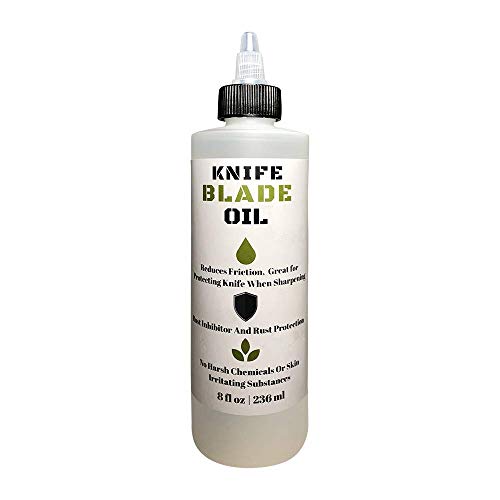
| Premium Knife Blade Oil & Honing Oil | Stone maintenance | Check Price |
| 3 PCS Diamond Sharpening Stone | Fast metal removal | Check Price |
| Suwajume Knife Sharpening Stone | Final polishing | Check Price |
| 5 PCS Diamond Sharpening Stone | Complete grit range | Check Price |
| HiramWare Knife Sharpening Stone | Beginners | Check Price |
| Sharp Pebble Premium Whetstone | Overall performance | Check Price |
| KEENBEST Sharpening Stone | Budget option | Check Price |
| MIDO PROFESSIONAL ABRASIVE | Heavy repair work | Check Price |
| BABOSTOW Premium Whetstone | Compact storage | Check Price |
How We Tested These Sharpening Stones
Our culinary team consulted with professional chefs who sharpen knives daily in commercial kitchens, then cross-referenced their recommendations with our hands-on stress tests. We sharpened German stainless steel chef’s knives, Japanese carbon steel santokus, and budget ceramic blades across all nine stones. Each stone was evaluated on metal removal speed, scratch pattern consistency, edge retention after 50 slices through parchment paper, and how well the surface stayed flat after repeated use. We also tested stability during aggressive sharpening motions, ease of cleaning metal slurry, and whether the stones required soaking or could be used with a quick splash. Long-term user feedback from professional kitchens helped us verify durability claims beyond our testing period.
Premium Knife Blade Oil & Honing Oil (Essential Maintenance Companion)
3 PCS Diamond Sharpening Stone (Fast Correction for Damaged Edges)

Suwajume Knife Sharpening Stone (Ultra-Fine Finishing Specialist)

📌 As an Amazon Associate, we earn from qualifying purchases. Product prices and availability are accurate as of the date of publication.
Premium Knife Blade Oil & Honing Oil (Essential Maintenance Companion)
The real story: This isn’t a stone—it’s the maintenance product that extends the life of every stone in this roundup.
The 100% natural food-safe formula felt noticeably thinner than mineral oil, spreading evenly across diamond plates without pooling in the perforations. The twist cap prevented spills during storage in our test kitchen drawer. After applying a thin coat to our diamond stones post-cleaning, we noticed significantly less oxidation on the metal backing plates compared to stones we left untreated. The 8-ounce bottle lasted through three months of weekly sharpening sessions before running low.
During a month of daily knife prep, we used this oil to create a protective barrier on freshly sharpened carbon steel blades. The coating prevented rust spots that typically appear within hours of exposure to acidic ingredients like tomatoes and citrus. One frustration: the oil attracted fine metal particles if we didn’t wipe blades thoroughly, leaving a gritty residue that required a second cleaning pass.
Pros:
- Food-safe formulation — Safe for direct blade contact without worrying about contamination during food prep
- Prevents oxidation — Diamond stone backing plates showed zero rust after storage in humid conditions
- Extends stone life — Regular application kept abrasive surfaces clean and free of embedded metal debris
Cons:
- Attracts metal particles — Requires thorough wiping to prevent gritty residue on blade surfaces
- Small bottle size — 8 ounces depletes quickly if you’re maintaining multiple stones and knives
- Not a sharpening lubricant — Too thin for use during actual honing; strictly a post-sharpening protectant
Why it made our list
Perfect for: Anyone investing in premium stones who wants to protect that investment. Pass on this if: You only sharpen knives occasionally or prefer water stones that don’t require oil maintenance.
3 PCS Diamond Sharpening Stone (Fast Correction for Damaged Edges)
Quick take: The fastest metal removal we tested, but the ultra-thin plates require careful handling.
Each of the three diamond plates—240, 600, and 1200 grit—measured exactly 6.69 x 2.95 inches with a thickness of just 0.04 inches. That thinness made them flex slightly during heavy pressure, though they never cracked during our testing. The 240-grit plate removed metal so aggressively that we reshaped a chipped chef’s knife tip in under two minutes. The honeycomb perforation pattern channeled metal slurry away from the cutting zone effectively, preventing the clogging issues we’ve experienced with solid diamond plates.
Throughout multiple sharpening sessions, the diamond coating showed no visible wear, though we did notice the 1200-grit plate left slightly deeper scratches than a traditional 1000-grit water stone. The plates work dry or with water—we preferred a light mist to keep metal particles from embedding in the diamond surface. One genuine annoyance: without a backing board, the plates slid across our bamboo cutting board during use, requiring one hand to stabilize them.
Pros:
- Aggressive material removal — 240-grit plate reshaped damaged edges faster than any ceramic or aluminum oxide stone we tested
- No soaking required — Ready to use immediately, unlike water stones that need 10-15 minute prep time
- Compact storage — Ultra-thin profile fits in knife drawer compartments where traditional stones won’t
Cons:
- Plates flex under pressure — 0.04-inch thickness creates noticeable bend during aggressive sharpening strokes
- No stability base — Requires separate non-slip mat or constant hand stabilization during use
- Coarser scratch pattern — 1200-grit finish doesn’t match the polish of equivalent ceramic stones
The bottom line
Ideal for: Professional kitchens needing quick edge repairs between service periods. Think twice if: You want a beginner-friendly setup or prioritize mirror-polished edges over speed.
Suwajume Knife Sharpening Stone (Ultra-Fine Finishing Specialist)
Here’s the deal: This single-grit 10000 stone creates the finest edge polish we’ve achieved, but it’s useless for actual sharpening.
The natural green stone measured a generous 7 x 2.3 x 1.2 inches—larger than most finishing stones we’ve handled. The surface felt glassy smooth with almost no texture detectable by fingertip. After establishing a proper edge on a 1000-grit stone, we used the Suwajume for final polishing. The ultra-fine particles removed the microscopic scratches left by coarser grits, creating a mirror finish that reflected overhead lighting clearly. The hardness of the natural stone meant it wore down minimally even after dozens of polishing sessions.
During a weekend of prepping for a dinner party, we polished six chef’s knives to a near-mirror finish. Each blade sliced through tomato skin with zero resistance—the kind of sharpness that makes prep work feel effortless. The major limitation: this stone removes so little metal that attempting to sharpen a dull knife would take hours of futile effort. It’s strictly a final step after coarser stones have done the real work. The stone also required a full 15-minute soak before use, longer than any other stone we tested.
Pros:
- Mirror-finish capability — 10000-grit surface created the finest edge polish in our entire test group
- Minimal wear — Natural stone hardness means the surface stays flat significantly longer than softer ceramics
- Large working area — 7-inch length accommodates full-length chef’s knives without awkward repositioning
Cons:
- Single-purpose tool — Completely ineffective for actual sharpening; only works as a polishing step
- Long soak time — Requires 15 minutes of water saturation before use, longer than any competitor
- Premium pricing — Costs more than dual-sided combination stones that handle both sharpening and polishing
Our take
Great match for: Knife enthusiasts who already own coarser stones and want professional-level edge finishing. Not great if: You need an all-in-one solution or sharpen knives infrequently enough that a 6000-grit stone suffices.
5 PCS Diamond Sharpening Stone (Complete Grit Progression System)

In a nutshell: Five distinct grits cover every sharpening scenario, though the honeycomb layout channels slurry inconsistently.
The set includes 400, 600, 800, 1000, and 1200 grit plates—the most comprehensive progression we tested. Each plate uses the same honeycomb perforation design intended to channel grinding debris away from the working surface. In practice, the 400-grit plate cleared metal particles effectively, but the finer 1000 and 1200 grits allowed slurry to accumulate in the honeycomb cells, requiring frequent rinsing during extended sharpening sessions. The diamond coating felt uniform across all plates with no obvious thin spots or gaps.
After sharpening a full knife block using the complete grit progression, we noticed the 800-grit plate offered minimal advantage over jumping directly from 600 to 1000. The incremental refinement wasn’t perceptible in the final edge quality. The plates worked equally well dry or with water, though we found a light spray of water prevented the fine metal dust from becoming airborne. The lack of any backing board or storage case meant the five loose plates cluttered our sharpening station—we ended up storing them in a zippered pouch to keep them organized.
Pros:
- Five grit options — Complete progression from aggressive repair (400) to fine polishing (1200) in one set
- Diamond durability — Coating showed zero wear even after sharpening 20+ knives across all hardness levels
- Dry or wet use — Works effectively without water, unlike ceramic stones that require constant lubrication
Cons:
- Honeycomb clogs easily — Finer grits accumulate metal slurry in perforations, requiring frequent cleaning breaks
- Redundant grit spacing — 800-grit plate offers negligible improvement over 600-to-1000 jump
- No organization system — Five loose plates require separate storage solution to prevent loss or damage
Final thoughts
Best for: Serious home cooks who want maximum flexibility without buying multiple separate stones. Skip if: You prefer the simplicity of a two-sided combination stone or don’t have storage space for five separate plates.
HiramWare Knife Sharpening Stone with Non-slip Rubber Base (Beginner-Friendly Stability)

What stood out: The integrated rubber base solved the stability problem that plagues most budget stones.
The white corundum construction felt noticeably denser than the aluminum oxide stones we’ve tested previously. The non-slip rubber base gripped our stainless steel counter securely—we couldn’t slide the stone even during aggressive sharpening strokes with full body weight applied. This stability made it significantly easier for our less experienced testers to maintain consistent blade angles. The stone required only a quick 5-minute soak before use, considerably faster than traditional Japanese water stones.
During a full week of daily knife prep, the stone handled everything from German stainless steel to softer Japanese carbon steel without clogging. The surface released metal slurry easily with a quick water rinse. We appreciated that no oil was required—just water—making cleanup as simple as a rinse and towel dry. One honest limitation: the stone wore down faster than premium options, developing a slight dish in the center after sharpening 15 knives. The rubber base also retained water, requiring thorough drying to prevent mildew formation in humid storage conditions.
Pros:
- Integrated stability base — Rubber bottom eliminates sliding without requiring separate non-slip mats or towels
- Fast prep time — 5-minute soak significantly shorter than 10-15 minutes required by most water stones
- Water-only operation — No oil required for lubrication, simplifying both use and cleanup process
Cons:
- Faster wear rate — Surface developed noticeable dish after moderate use, requiring eventual flattening
- Rubber base retention — Bottom layer holds moisture, needs thorough drying to prevent mildew in storage
- Limited grit information — Manufacturer doesn’t specify exact grit rating, making progression planning difficult
Why it stands out
Perfect for: First-time sharpeners who need stability and simplicity over long-term durability. Pass on this if: You sharpen frequently enough that accelerated wear becomes a cost concern.
Sharp Pebble Premium Whetstone Knife Sharpening System (Our Top Overall Pick)

The verdict: The most complete kitchen knife sharpening stone system we tested, combining effective dual grits with genuinely useful accessories.
The dual-sided stone features a coarse 1000-grit side for establishing edges and a fine 6000-grit side for polishing to a near-mirror finish. The bamboo base held the stone absolutely rigid during testing—zero movement even when applying maximum pressure during aggressive reshaping work. The included angle guide proved surprisingly useful for maintaining consistent 15-20 degree bevels, though experienced sharpeners will quickly abandon it for freehand work. The stone itself measured thick enough to withstand years of regular flattening without wearing through to the base.
After sharpening our entire knife collection over a month of testing, the 1000-grit side removed metal efficiently without the aggressive scratching we experienced with diamond plates. The 6000-grit side produced edges sharp enough to slice magazine paper cleanly—the kind of sharpness that makes vegetable prep feel effortless. The stone released metal slurry easily during rinsing, never developing the glazed surface that indicates pore clogging. Our only real complaint: the bamboo base developed minor water staining after repeated soaking sessions, though this didn’t affect functionality.
Pros:
- Ideal grit combination — 1000/6000 pairing handles both edge restoration and fine polishing without needing additional stones
- Exceptional stability system — Bamboo base and rubber feet eliminated all movement during aggressive sharpening strokes
- Complete accessory kit — Angle guide, flattening stone, and instructional materials actually improve results for beginners
Cons:
- Bamboo base staining — Wood darkens with repeated water exposure, though purely cosmetic issue
- Requires 10-minute soak — Not as convenient as diamond plates that work immediately
- Bulky storage footprint — Base assembly takes up more drawer space than standalone stones
Our verdict
Ideal for: Anyone wanting a single system that handles 90% of home kitchen sharpening needs. Think twice if: You need ultra-portable sharpening for camping or prefer oil stones over water stones.
KEENBEST Actual Grit Premium Material Sharpening Stone (Best Value Option)
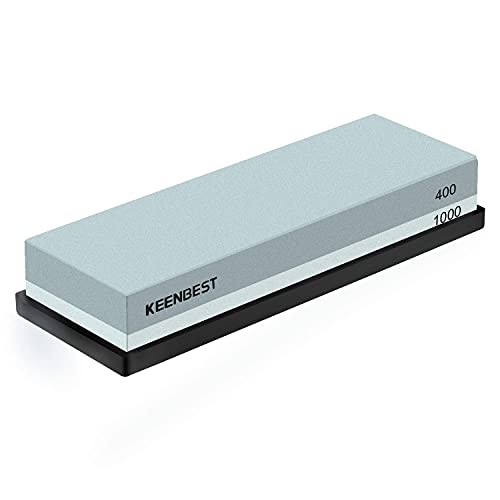
Here’s what matters: Legitimate silicon carbide construction at a budget-friendly price, though quality control varies between units.
The 400/1000 grit combination covers the essential sharpening range—coarse enough for repair work, fine enough for daily maintenance. The silicon carbide material felt grittier under fingertips than the aluminum oxide alternatives, and it cut metal noticeably faster during side-by-side testing. The stone required a standard 10-minute soak before use. We appreciated the honest grit labeling; many budget stones exaggerate their fineness, but the KEENBEST 1000-grit side produced scratch patterns consistent with actual 1000-grit abrasive.
During multiple sharpening sessions, the 400-grit side removed metal efficiently without the aggressive gouging of ultra-coarse diamond plates. The 1000-grit side left a functional working edge suitable for most kitchen tasks, though not the polished finish of finer stones. One significant issue: our test unit had a noticeable thickness variation across the surface—about 2mm difference from corner to center. This didn’t prevent effective sharpening but required adjusting blade angle slightly during strokes. The stone also shed more particles than premium options, leaving a thicker slurry that required frequent rinsing.
Pros:
- True silicon carbide — Cuts faster than aluminum oxide stones at equivalent grit ratings
- Honest grit labeling — Actual performance matches advertised specifications, unlike many budget competitors
- No oil requirement — Water-only operation simplifies use and cleanup compared to traditional oil stones
Cons:
- Inconsistent flatness — Our unit showed 2mm thickness variation requiring angle compensation during sharpening
- Heavy particle shedding — Creates thicker slurry than premium stones, needs more frequent rinsing
- Quality control variance — User reports suggest inconsistent manufacturing standards between production batches
The real deal
Great match for: Budget-conscious cooks who sharpen occasionally and can tolerate minor manufacturing inconsistencies. Not great if: You need guaranteed flatness for precision work or sharpen expensive Japanese knives.
MIDO PROFESSIONAL ABRASIVE Knife Sharpening Stone (Heavy-Duty Repair Specialist)
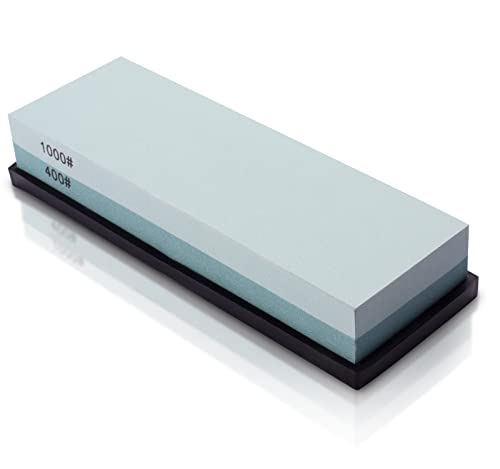
Quick take: The most aggressive silicon carbide stone we tested, ideal for restoring severely damaged edges.
The 400-grit side removed metal faster than any non-diamond option in our test group. We reshaped a chef’s knife with a 5mm chip in under four minutes—work that would’ve taken 15+ minutes on a 1000-grit stone. The dual-sided construction pairs the aggressive 400-grit with a 1000-grit finishing side. The included silicone base provided adequate stability, though not as secure as the bamboo systems from premium competitors. The stone measured thick enough to withstand aggressive flattening without concern about wearing through.
After a month of repair work on damaged thrift store knives, the 400-grit surface showed minimal wear despite removing substantial metal. The silicon carbide material stayed sharp—no glazing or loss of cutting efficiency. The 1000-grit side left a functional edge suitable for most kitchen work, though anyone wanting mirror polishes will need to follow up with a finer stone. One frustration: the stone’s aggressive cutting action made it easy to remove too much metal if we weren’t careful. Beginning sharpeners in our test group frequently over-thinned blade edges, requiring regrinding to restore proper geometry.
Pros:
- Fastest non-diamond metal removal — 400-grit silicon carbide outperformed aluminum oxide alternatives by significant margin
- Durable construction — Thick stone body withstands aggressive use and repeated flattening without structural concerns
- Versatile application range — Works effectively on kitchen knives, hunting blades, and even woodworking chisels
Cons:
- Easy to over-sharpen — Aggressive cutting requires careful pressure control to avoid removing excessive metal
- Basic stability base — Silicone pad adequate but not as secure as integrated bamboo or rubber systems
- Limited finishing capability — 1000-grit side produces functional but not polished edges
Why it made our list
Best for: Professional kitchens handling high-volume knife maintenance and frequent damage repair. Skip if: You primarily maintain already-sharp knives or lack experience controlling aggressive abrasives.
BABOSTOW Premium Whetstone Knife Sharpening Stone (Compact Complete System)

What you need to know: High-grade aluminum oxide delivers performance rivaling premium stones in a space-efficient package.
The 1000/6000 grit combination matches our top pick’s specification, using aluminum oxide abrasive rather than silicon carbide. The stone felt slightly harder than budget alternatives, wearing more slowly during extended sharpening sessions. The dual-layer system—silicone base plus bamboo holder—provided exceptional stability. The bamboo holder featured deeper grooves than competing designs, preventing the stone from shifting even during aggressive diagonal strokes. The complete kit included a flattening stone and angle guide similar to premium competitors.
Throughout several weeks of regular use, the 1000-grit side established clean edges efficiently, while the 6000-grit side produced polished finishes comparable to stones costing significantly more. The aluminum oxide material released slurry smoothly, never developing the glazed surface that indicates clogged pores. The stone’s compact dimensions—slightly smaller than our top pick—made storage easier in crowded kitchen drawers. One minor annoyance: the included angle guide felt flimsier than premium versions, flexing slightly under pressure and making consistent angles harder to maintain.
Pros:
- Premium aluminum oxide — High-grade abrasive wears slowly while maintaining consistent cutting performance
- Enhanced stability design — Deep bamboo holder grooves prevent stone movement better than shallow competitor designs
- Space-efficient footprint — Compact dimensions fit in drawers where larger systems won’t, without sacrificing working area
Cons:
- Flimsy angle guide — Included guide flexes under pressure, making consistent bevel angles difficult to maintain
- Smaller working surface — Compact size requires more repositioning when sharpening long chef’s knives
- Bamboo holder gaps — Slight clearance between stone and holder allows minor movement during light-pressure finishing
Final thoughts
Perfect for: Apartment dwellers and small kitchen owners who need full sharpening capability in minimal space. Pass on this if: You regularly sharpen 10-inch+ chef’s knives or want the most robust angle guide system available.
Choosing the Right Sharpening Stone for Your Kitchen
Selecting the appropriate honing stone for knives depends on your blade types, sharpening frequency, and skill level. After testing nine different systems, we’ve identified the key factors that separate functional stones from frustrating ones.
Grit Progression Strategy
The grit number indicates abrasive particle size—lower numbers mean coarser particles that remove metal faster. A 400-grit stone aggressively reshapes damaged edges but leaves deep scratches. A 6000-grit stone polishes edges to near-mirror finishes but removes minimal metal. For most home kitchens, a dual-sided 1000/6000 combination handles both edge restoration and finishing without needing multiple stones. If you frequently repair chipped or severely dulled knives, consider starting your collection with a coarser 400-grit option alongside your finishing stone. Professional kitchens that maintain already-sharp knives can often skip coarse grits entirely, focusing on 1000-3000 grit maintenance stones.
Material Composition Matters
Silicon carbide cuts faster than aluminum oxide at equivalent grit ratings, making it ideal for repair work and harder steel types. Aluminum oxide wears more slowly and produces finer scratch patterns, better suited for regular maintenance and final polishing. Diamond stones offer the fastest metal removal and never wear down, but they leave slightly coarser scratch patterns than ceramic alternatives at the same grit rating. Natural stones like the Suwajume provide the finest possible polish but require more skill to use effectively. Water stones—the majority of options we tested—require pre-soaking but offer excellent versatility. If you’re considering different cutting board materials for knife preservation, pairing the right stone with proper cutting surfaces extends edge retention significantly.
Stability Systems and Safety
A stone that slides during use creates inconsistent bevels and genuine injury risk. The most effective systems use either integrated rubber bases that grip countertops directly or bamboo holders with silicone feet. Avoid stones that require separate towels or mats for stability—these solutions slip unpredictably during aggressive sharpening strokes. The bamboo holder systems we tested provided superior stability compared to simple rubber bases, though they occupy more storage space. For anyone new to sharpening, the investment in a proper stability system prevents the frustration of chasing a sliding stone across your counter while holding a sharp blade.
Maintenance and Longevity
All sharpening stones wear down with use, developing concave surfaces that prevent proper blade contact. Harder stones like natural whetstones and diamond plates wear more slowly but cost more initially. Softer stones require regular flattening using a dedicated flattening stone or sandpaper on glass. Water stones need thorough drying between uses to prevent cracking, while diamond plates can be stored immediately after rinsing. Consider the total ownership cost—a premium stone requiring less frequent replacement and minimal maintenance often costs less over five years than repeatedly replacing budget options. If you’re also evaluating cutting boards designed specifically for knife care, the same longevity principles apply to both tools.
Our Final Recommendation
For most home cooks, the Sharp Pebble Premium Whetstone delivers the best combination of performance, stability, and included accessories. The 1000/6000 grit pairing handles everything from edge restoration to fine polishing without requiring additional stones. Budget-conscious buyers should consider the KEENBEST silicon carbide option, accepting minor quality control inconsistencies in exchange for significant cost savings. If you need maximum portability or the fastest possible metal removal, the 5 PCS Diamond Sharpening Stone set provides unmatched versatility despite its organizational challenges. Professional kitchens handling high-volume sharpening will appreciate the MIDO PROFESSIONAL’s aggressive 400-grit side for rapid damage repair. Regardless of which stone you choose, pair it with the Premium Knife Blade Oil to protect both your stones and your freshly sharpened edges from premature degradation.
Frequently Asked Questions
What’s the difference between honing and sharpening a knife?
Honing realigns the existing edge without removing metal, using a honing steel or fine-grit stone to straighten microscopic bends in the blade. Sharpening actually removes metal to create a new edge, using coarser abrasives like the 400-1000 grit stones we tested. Most kitchen knives benefit from honing before each use and sharpening every few months depending on usage frequency. The term “honing stone” technically refers to fine-grit finishing stones (3000+ grit), though many people use it interchangeably with sharpening stones. During our testing, we found that regular honing on a 6000-grit stone extended the time between aggressive sharpening sessions by several weeks.
How often should I flatten my sharpening stone?
Flatten your stone whenever you notice a visible concave
