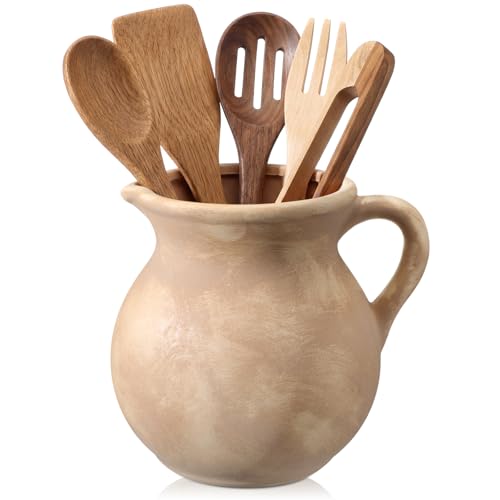
Nothing outlasts a simple, heavy kitchen tool.
Years of scrubbing, dishwashing, and bar shifts have proven that the sturdiest utensils—like a stainless spatula paired with wood—consistently outperform their flashier, trend-driven cousins. Practicality, not style, is what matters when it comes to maintaining high hygiene standards.
Key Takeaways
- Wood-handled metal spatulas demand strict cleaning and drying routines to prevent odor, stains, and bacterial growth.
- Cleaning both the metal and wood requires different techniques: steel tolerates high heat and detergents, wood does not.
- Proper care extends lifespan and preserves both appearance and kitchen safety.
What Causes Hygiene Issues With Metal Spatulas That Use Wooden Handles?
Why Metal and Wood Combine So Well—And So Problematically
At a glance, pairing a stainless blade with a natural grip seems ideal. The steel won’t warp or stain, and the wood feels secure even in wet hands. Yet, this combo brings unique cleaning challenges. Over time, I’ve seen even the best spatulas develop hidden grime and stubborn odors—especially if their care doesn’t match the pace of daily kitchen use.
- Food Residue: Tiny crevices where metal meets wood trap grease and particles, leading to buildup and potential mold.
- Moisture Retention: Wood absorbs water and odors far more than plastic or metal, especially if left wet inside a sink or dishwasher.
- Heat Stress: Rapid temperature swings (think hot pans to cold sinks) can cause wood to crack, split, or raise grain, opening new places for bacteria to hide.
Common Staining and Odor Problems Over Time
Even after a thorough washing, a wooden grip can develop dark spots or start smelling faintly sour. These aren’t just cosmetic—if a spatula is used for both savory and sweet dishes, lingering odors or stains can cross-contaminate flavors. I once found a spatula that had absorbed a ghost of garlic, ruining a batch of delicate meringue. That’s why attention to detail is non-negotiable for me.
When Bacteria Become a Real Risk
Unsealed wood, or wood that’s worn down by years of scrubbing, becomes porous. Moisture trapped here allows bacteria to multiply unnoticed, leading to sour smells or, in severe cases, foodborne illness. If a spatula ever feels sticky after cleaning, it’s time to address the source—not just the symptoms.

Solutions: Clean, Sanitize, and Maintain a Metal Spatula With a Wooden Handle
How to Clean the Metal Portion—Every Time
Stainless steel blades are forgiving. Hot water (above 140°F), a drop of degreasing dish soap, and a non-abrasive scrubber will keep the surface streak-free. For stubborn, burnt-on residue, soak only the blade in a hot, soapy bath—never submerge the handle. Rinse thoroughly and dry immediately with a lint-free towel to avoid water spots.
Cleaning the Wooden Handle Without Damaging It
Never let the wood sit in water. Instead:
- Quickly wipe with a damp, soapy cloth (not soaking wet).
- For sticky or oily residue, use a paste of baking soda and water, gently scrub, and then wipe clean.
- Pat dry instantly, and let the spatula air-dry upright, wood side up.
How to Safely Sanitize Without Damaging Wood
Unlike all-metal utensils, wooden grips can’t handle dishwasher cycles above 160°F without risk. Instead:
- Wipe down the handle with a 1:4 solution of white vinegar and water for routine sanitizing.
- If deeper disinfection is needed (for example, after handling raw proteins), use a cloth dampened with 3% hydrogen peroxide. Let it sit for 5 minutes, then rinse and dry thoroughly.
Dealing With Stains, Odors, and Cloudiness
If the metal develops a haze, use a soft cloth dipped in diluted white vinegar. For wood with stubborn stains, a baking soda paste can help. Persistent odors? Sprinkle coarse salt on the wood, rub with half a lemon, then wipe dry. Never use bleach—it’s harsh on both wood and skin.

Preventive Measures for Lifelong Cleanliness and Performance
Proper Drying and Storage
Air-drying is a must. Lay spatulas flat on a rack, or better yet, stand them handle-up in a utensil holder. Never toss them into a damp drawer or leave in a sink overnight—this is the fastest path to mildew, stains, and warped wood.
Routine Maintenance: Oil, Inspect, Replace
- Oil the handle every 4-6 weeks.
- Inspect for cracks, loose rivets, or splinters.
- If wood starts to peel or separate from the metal, retire the tool—it’s a hygiene risk.
How to Avoid Cross-Contamination in Daily Kitchen Use
Assign specific spatulas for specific tasks (e.g. one for raw ingredients, another for cooked foods). This reduces the risk of spreading bacteria and flavor transfer. If you’re using a spatula to flip both fish and steak, or to spread icing after sautéing, you’re setting yourself up for odors, stains, and even cross-contact allergies. For more on how to choose the right spatula for each task, check out our Core Kitchen Spatula Explained: How to Choose and Use It Properly guide.
Advanced Maintenance and Handling for Culinary Clean-Freaks
Deep Cleaning for Ultra-Sanitized Results
Once or twice a year, give your spatulas a full spa day:
- Soak just the metal blade in boiling water for 2 minutes (keeping the wood dry).
- Scrub the wood gently with diluted Castile soap.
- After drying, sand rough spots with extra-fine sandpaper, then oil thoroughly.
What to Do If the Handle Gets Sticky, Slimy, or Starts to Smell
- Sticky handles often mean trapped oils or food proteins. Scrub with a baking soda and water paste, rinse, dry fully, then oil.
- Unpleasant smells linger if wood stays damp—dry immediately, then deodorize with lemon and salt as above.
- If stickiness persists or the wood feels soft, it’s time to retire the utensil for safety’s sake.
Can You Restore an Old, Weathered Wooden Handle?
Sometimes, yes. Briefly sand away surface roughness, wipe clean, and apply multiple coats of food-grade mineral oil, letting each soak in for at least 30 minutes. Severely cracked or warped handles, however, are impossible to fully sanitize and should be replaced to maintain your kitchen’s cleanliness standards.
Optimizing for Sanitary Results in a Pro Setting
- Post-shift, always hang spatulas in a ventilated area—not crowded in a dirty bin.
- Keep separate utensils for allergy-prone prep tasks.
- If your operation relies heavily on spatulas, invest in a sanitation log to track deep cleaning and oiling.
For other spatula types that demand special care—like the flat, flexible stir spatula often used in pastry kitchens—see our in-depth guide on choosing and caring for a stir spatula.
Frequently Asked Questions
How do I remove burned-on residue from my metal spatula without damaging the wooden handle?
If food is caked onto the blade, soak just the metal portion in hot soapy water (over 140°F) for 5-10 minutes. Scrub gently with a nylon pad, keeping the handle dry. Never use steel wool on wood. Dry both parts thoroughly after cleaning to prevent moisture damage.
Can I use a kitchen spatula with a metal blade and wood grip for both sweet and savory foods?
It’s best to dedicate separate spatulas for different food types, especially if you switch between strong flavors like garlic and delicate desserts. Wood absorbs odors easily, which can transfer to sweet foods. For details on multitasking spatulas, see our article on straight cake spatulas and their care tips.
Is it safe to put my wood-handled spatula in the dishwasher?
No. Dishwashers expose wood to prolonged high heat and moisture, causing it to dry out, split, or even grow mold in micro-cracks. Always wash by hand, and dry immediately for the best hygiene and longevity.
How often should I oil the wooden handle of my spatula?
Every 4-6 weeks is ideal. Frequent oiling prevents wood from drying and cracking, helps repel stains, and makes cleaning easier. Use only food-safe mineral oil. Avoid vegetable and nut oils, which can turn rancid or cause allergy issues over time.
What are the signs I need to replace my spatula with a metal blade and wooden handle?
Replace your spatula if you notice deep cracks, splinters, a loose blade, or persistent odors after cleaning. These issues signal trapped bacteria or weakened structure. For a guide on what to look for in replacements, review our comprehensive piece on core kitchen spatulas and their longevity.