

You know what I crave when the cold weather hits?
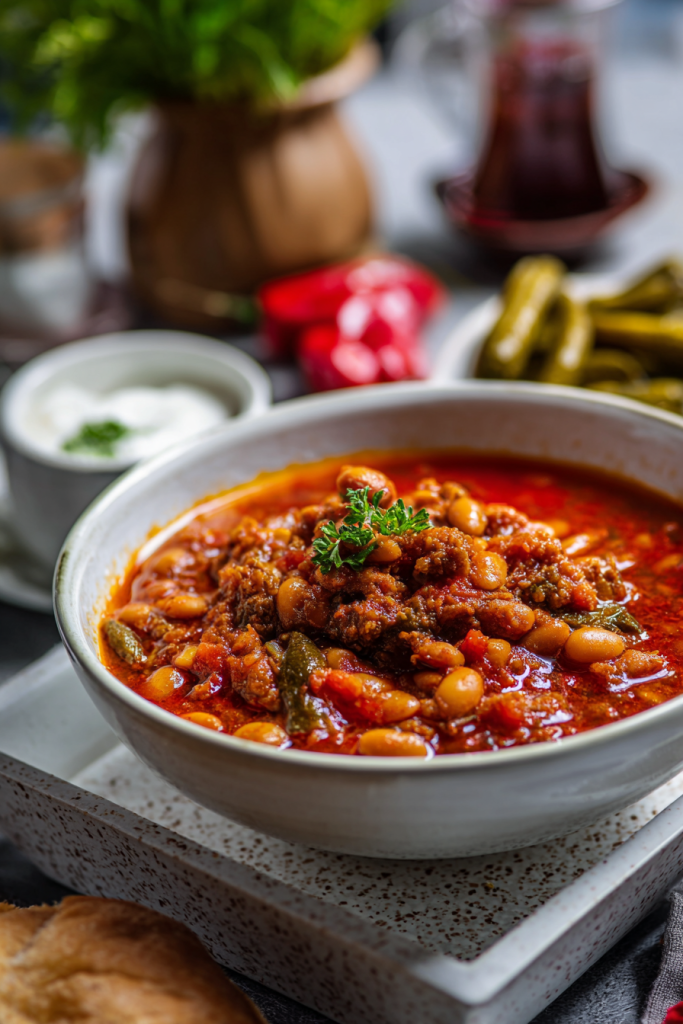
A big, steaming bowl of kuru fasulye.
This Turkish bean stew has completely stolen my heart. I’m talking rich tomato sauce, tender white beans, and melt-in-your-mouth beef. Pure comfort in a bowl.
I stumbled upon this dish while diving deep into Turkish cooking a few years back. Now? I make it almost every week.
Here’s the thing about kuru fasulye…
It takes the simplest ingredients and turns them into something that just warms you from the inside out. Every single spoonful.
Why This Stew Will Become Your New Favorite
Let me tell you what makes this recipe so special.
First off, those beans? They’re packed with protein and fiber. You’ll actually feel satisfied and energized after eating this.
The spices add these beautiful layers of flavor. But they don’t overpower everything. They just… work.
And get this.
You can make it with meat or go completely vegetarian. Both versions are absolutely delicious. I’ve tried them both dozens of times.
The best part?
This stew freezes like a dream. I always make extra. Then on those crazy busy weeknights when I can barely think straight, I just grab a container from the freezer. Dinner is basically done.
The cooking process is surprisingly simple too. No weird techniques. No ingredients you need to hunt down at five different stores.
Just a little patience while the beans soak overnight. Then you build the flavors slowly. That’s it.
Trust me, the result is so worth the wait.
What “Kuru Fasulye” Actually Means
The name tells you everything you need to know.
“Kuru” means “dry” in Turkish. “Fasulye” means “beans.” Put them together? You get “dry beans.”
But here’s what’s interesting…
Turkish people use that exact same phrase for the stew itself. Not just the beans. The whole dish.
And this isn’t just any dish in Turkey.
It’s basically their national comfort food. I’ve read that families all across Turkey—from the busy streets of Istanbul to tiny villages in Anatolia—gather around bowls of this stew. Kids grow up eating it. Grandmothers pass down their recipes. It’s tradition.
The Lokanta Experience
Want to know where you’ll find the best kuru fasulye in Turkey?
Look for a lokanta.
These are small, family-run eateries that serve traditional homestyle cooking. The kind that reminds you of your grandmother’s kitchen. Every single lokanta I’ve read about has kuru fasulye on their menu.
The serving style is pretty cool too.
They pair it with fluffy rice pilaf in what they call “pilav üstü kuru.” Rice topped with bean stew. Simple. Perfect. Complete meal.
Some lokantas? They literally serve nothing else. Just this one dish. And they’ve perfected it over decades.
That’s dedication.
What Makes My Version Different
I wanted to create something authentic but also practical.
You shouldn’t need to search all over town for rare ingredients. You shouldn’t need fancy equipment. Just good quality basics and a little time.
The tomato and pepper pastes bring this deep, rich umami flavor. The butter? That adds a silkiness that takes everything up a notch.
Here’s my secret though…
I cook the beans separately first. Before they go into the stew.
Why does this matter?
Because it prevents them from turning into mush. They stay creamy on the inside but hold their shape beautifully. That texture makes all the difference.
The beef gets its own time to become fork-tender too. Low and slow does the trick.
As for spices…
I use cumin, paprika, and black pepper. But they’re not the stars here. They just enhance the natural sweetness of the onions and the brightness of the tomatoes.
Everything just works together.
Recipe Timing & Servings
Prep Time: 10 minutes (plus 8 hours soaking)
Cook Time: 1 hour 45 minutes
Total Time: 1 hour 55 minutes (plus soaking)
Servings: 6
Difficulty: Easy
What You’ll Need
| Ingredient | Quantity | Notes |
|---|---|---|
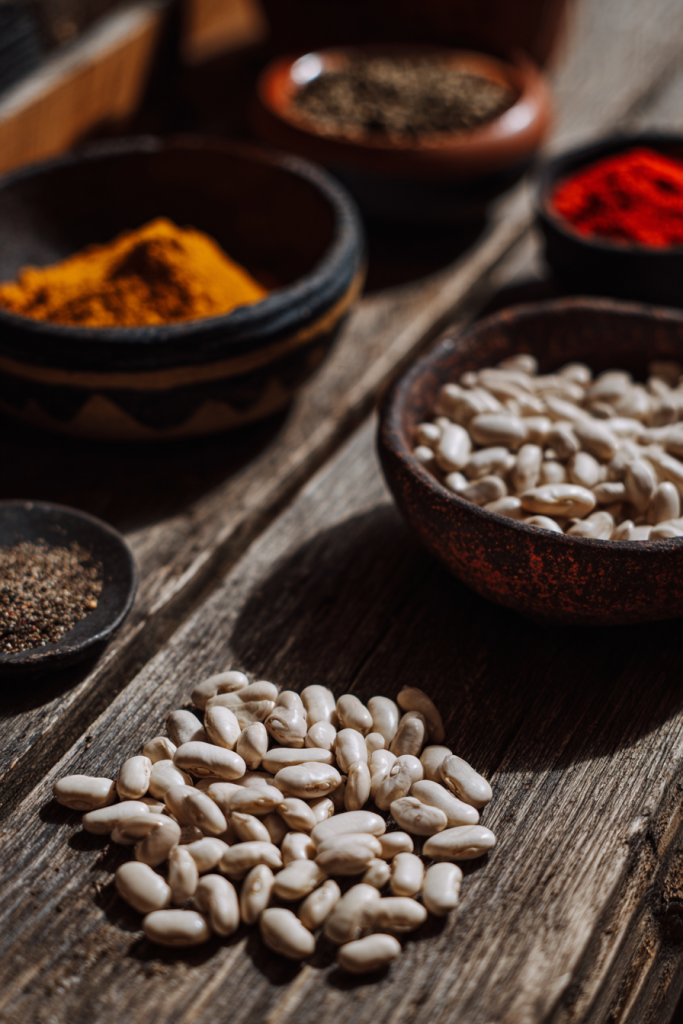
| Dried white beans | 400 grams | Cannellini or navy beans work best |
| Olive oil | 1 tablespoon | For browning meat |
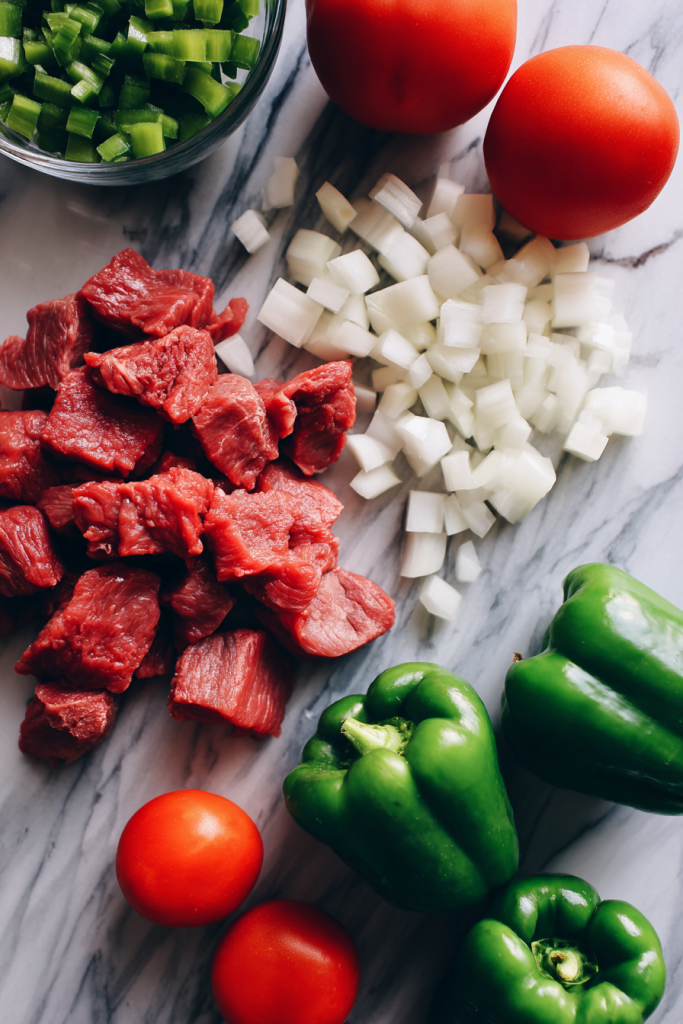
| Diced beef | 400 grams | Cut into 1-inch cubes |
| Butter | 57 grams | Adds richness and depth |
| Small onions | 2, diced | Sweet varieties preferred |
| Tomato paste | 2 tablespoons | Quality makes a difference |
| Pepper paste | 1 teaspoon | Substitute extra tomato paste if unavailable |
| Fresh tomato | 1, diced | Or use canned when fresh unavailable |
| Green peppers | ¼ cup, diced | Bell peppers work perfectly |
| Water | ½ cup | For building the stew base |
| Salt | 1½ teaspoons | Adjust to taste |
| Cumin | 1 teaspoon | Freshly ground preferred |
| Black pepper | 1 teaspoon | Use fresh cracked |
| Paprika | 1 teaspoon | Sweet or smoked variety |
| Water for beans | 4 cups | Room temperature |
How to Make It (Step by Step)
Getting Those Beans Ready
Okay, so here’s where we start.
Rinse your beans under cold water. Really well. You want to get rid of any dust or little bits of debris.
Then grab your biggest bowl.
Dump the beans in. Cover them with a ton of water—I use about 8 cups for this amount. Those beans are going to swell up overnight. A lot.
Let them soak for at least 8 hours. Overnight works perfectly.
This step?
Non-negotiable. Don’t skip it.
After soaking, drain everything. Toss that soaking water. You don’t want it.
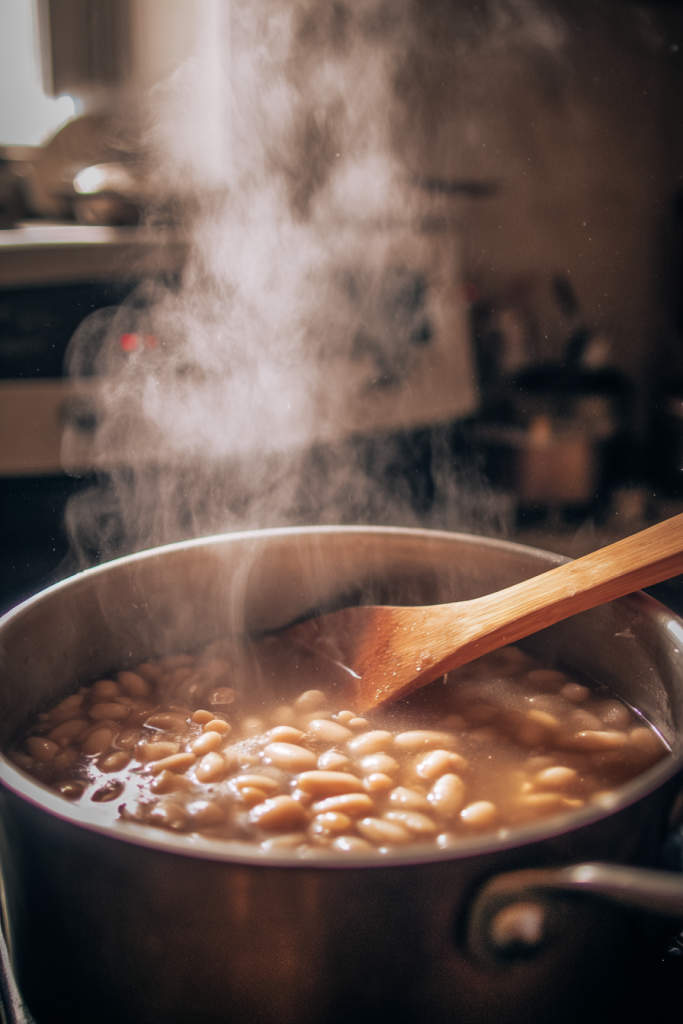
Put the beans in a pot with fresh water. Bring it to a rolling boil. Don’t cover the pot yet.
Once it starts boiling, turn the heat down to medium-low.
Let the beans simmer partially covered for 35-40 minutes. I usually start checking around the 30-minute mark.
You’ll notice foam on the surface while they’re cooking. Skim it off once or twice. Makes for a cleaner, better-tasting broth.
Cooking the Beef
While those beans are doing their thing, let’s work on the meat.
Heat up some olive oil in your Dutch oven. Medium heat is perfect.
Add your diced beef.
Cook it over medium-high heat for about 5 minutes. The beef will start releasing its juices. That’s exactly what you want.
Give it a good stir. Then turn the heat down to medium-low.
Cover it up. Let it cook for about 20 minutes.
Here’s the important part…
Check on it every so often. Make sure there’s enough liquid. If the pan starts looking dry, add about ¼ cup of water.
The beef needs to cook until it’s perfectly tender. This usually takes another 20-25 minutes.
Bringing It All Together
Your beef should be fork-tender by now.
Time to add the butter. It’ll melt fast and coat everything in this beautiful richness.
Next up? The diced onions.
Cook them covered over medium-low heat. They need about 5 minutes to get nice and soft. Stir them occasionally so they don’t stick.
When they turn translucent, you’re ready for the good stuff.
Add both the tomato paste and pepper paste together.
Stir constantly for 2-3 minutes.
This does two things. It cooks out that raw paste taste. And it deepens the color to this gorgeous red. Your kitchen will smell amazing at this point.
Now toss in your diced peppers and tomato.
Stir well. Cover and cook for 3 minutes on medium-low.
Add ½ cup of water. Stir it all up.
Here comes the magic moment…
Add those cooked beans. And here’s the key—include all their cooking liquid too.
That starchy water is gold. It creates the perfect stew consistency.
Throw in all your spices now:
- Salt
- Cumin
- Black pepper
- Paprika
Stir everything together. Turn the heat up to medium-high.
Once it starts boiling, immediately drop it back down to medium-low.
Let it simmer gently for 10 minutes. This is when all those flavors really get to know each other.
The last step?
Take it off the heat. Let it rest for 15 minutes.
I know it’s hard to wait when it smells this good. But this resting time is crucial. The flavors develop so much more.
My Tips for Perfect Results Every Time
That overnight soak is everything.
Seriously. Don’t even think about skipping it. Soaked beans cook evenly. They absorb all those beautiful flavors properly. And they stay creamy but firm instead of turning into paste.
Save that bean cooking water.
I mean it. Don’t pour it down the drain.
That starchy liquid is what thickens your stew naturally. Plus it carries so much flavor from the beans themselves.
Skim the foam.
Takes two seconds. Makes your broth taste cleaner. Makes your stew look better too.
Keep an eye on that meat.
Beef can dry out fast if you’re not watching. Whenever the pan looks dry, add a little water. The difference between tender meat and tough meat? Often just a splash of water at the right time.
Taste it before you serve.
Every brand of tomato paste is different. Every onion has different sweetness levels. Salt varies.
So taste it. Adjust it. Trust what your mouth tells you.
Ways to Mix It Up
Try It with Lamb Chops
Swap out the diced beef for lamb chops.
Cook them in your pot until they’re tender all the way through. Add water when needed. Should take about 30 minutes total.
The lamb brings this distinctive richness that’s just… different. In a really good way.
Go Turkish with Pastırma
After you cook your onions and spices, add sliced pastırma.
This is Turkish cured meat. It only needs a few minutes of sautéing. The flavors release super fast.
Then you add your other ingredients. The result is incredibly savory. Really intense in the best way.
Add Some Sucuk
Slice Turkish sausage (sucuk) into thin rounds.
Add them after you cook the onions and green peppers. Sauté briefly to release those oils and flavors.
Skip the butter completely when you do this. Sucuk has plenty of fat already.
This version? Spicier. More robust. Really hits the spot on cold nights.
Make It Vegetarian
Just leave out the meat. That’s it.
Follow everything else exactly the same.
Want to make it heartier? Add diced carrots or celery. Chop them up and toss them in after the onions soften. Before you add the tomatoes and pastes.
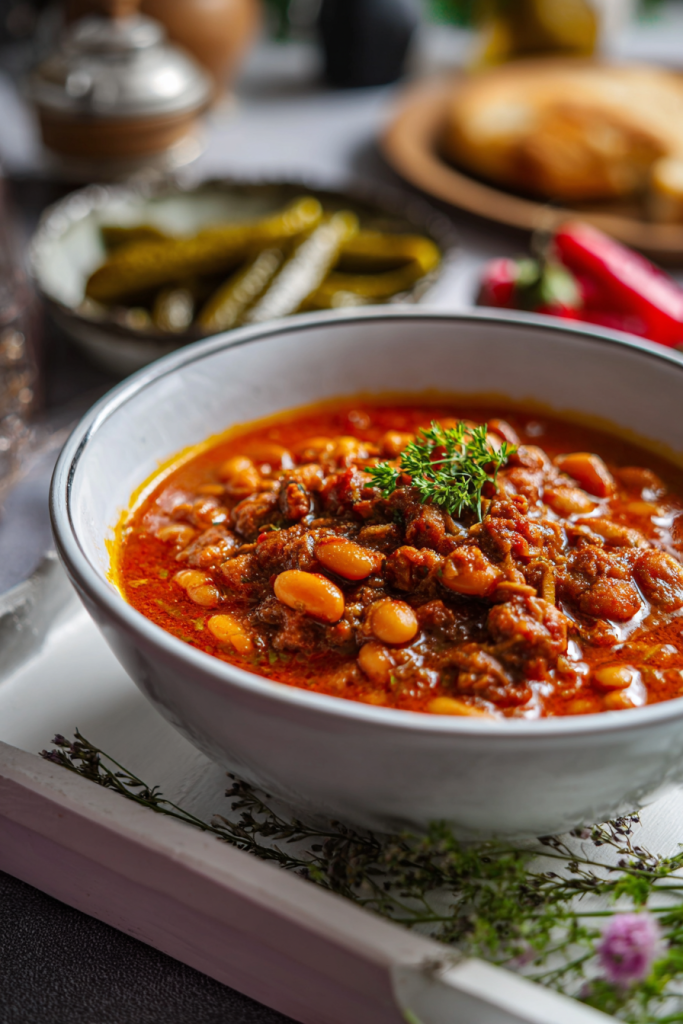
What to Serve Alongside
The Traditional Turkish Way
I always serve this with Turkish rice pilaf.
Always.
That fluffy rice soaks up the sauce perfectly. Every bite is good. Bulgur pilaf works great too if you want something nuttier.
Cacık (Turkish yogurt dip) is another must-have.
Mix yogurt with cucumber, garlic, and either fresh dill or dried mint. This tangy, cooling side balances out the warmth of the stew beautifully.
Pickles are essential.
I keep quick-pickled cabbage or cucumbers in my fridge. They add this crunchy, acidic contrast that cuts through the richness.
Fresh bread?
Oh yes. You need bread to soak up every last drop. Turkish bazlama or pide bread are perfect. But honestly, even crusty sourdough does the job.
A simple salad rounds everything out.
Turkish shepherd salad with tomatoes, cucumbers, and onions works great. Or try red onion salad with sumac for something tangy and bright.
And for garnish…
Fresh parsley or dill right before serving. Maybe some red pepper flakes if you like heat.
Storing and Reheating
Keeping It Fresh in the Fridge
Let the stew cool down completely first. Don’t rush this.
Transfer it to airtight containers. It’ll keep beautifully for 3-4 days refrigerated.
Freezing for Later
This stew freezes exceptionally well.
Use freezer-safe containers or heavy-duty bags. Leave a little space at the top for expansion.
Label it with the date and what’s inside.
It stays fresh for up to 3 months frozen.
Getting It Hot Again
From the fridge? Reheat gently over low-medium heat. Stir it occasionally until it’s warmed all the way through.
If it seems too thick, add a splash of water or broth.
For frozen stew, thaw it in the fridge overnight. Or use your microwave’s defrost setting.
Then reheat it on the stovetop.
Questions You Might Have
Can I use canned beans instead of dried?
You can in a pinch.
But here’s the thing. Canned beans don’t have the same flavor depth. They also get mushy way faster.
If you’re using canned, add them later in the cooking process. And cut down on the simmering time. Otherwise they’ll just fall apart.
The texture and taste will be different. Not bad. Just different.
What if I can’t find pepper paste?
No problem.
Just use an extra tablespoon of tomato paste instead. The flavor will be slightly different but still delicious.
A lot of Turkish specialty stores carry pepper paste though. Online retailers too. The Öncü brand is really good if you can find it.
How do I know when the beans are done?
Bite into one.
The inside should feel creamy. The outside should stay intact without splitting open. They definitely shouldn’t be crunchy or hard.
Start checking around 30 minutes.
The age of your beans affects cooking time a lot. Older beans take longer.
Can I make this in a pressure cooker?
Absolutely.
After soaking and rinsing your beans, put them in the pressure cooker. Add water to cover by 1-2 inches.
Cook on high pressure for 10-15 minutes.
Let it naturally release pressure for 10 minutes. Then manually release whatever’s left.
After that, just follow the regular recipe from the part where you add the pre-cooked beans.
Why does my stew look watery?
Usually this means the beans didn’t cook long enough at first.
Their starch is what thickens the stew naturally. Try simmering it uncovered for another 10-15 minutes. The liquid will reduce and thicken up.
Also make sure you’re using that bean cooking water. It has all those essential starches.
Here’s a pro tip: Make a double batch. Freeze half for later.
This stew actually tastes better the next day. The flavors deepen and meld together in this really beautiful way.
Having homemade Turkish comfort food sitting in your freezer? Ready whenever you need it?
That’s the kind of thing that makes life easier.
Give this kuru fasulye a try. It’s brought warmth and joy to Turkish families for generations.
Now it can do the same for your table.
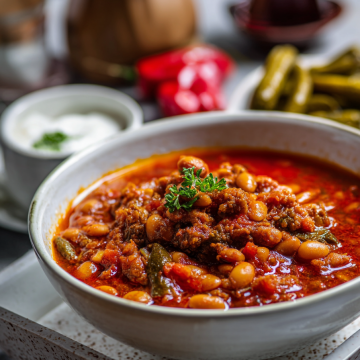
Kuru Fasulye (Turkish White Bean Stew)
Ingredients
- 400 grams dried white beans Cannellini or navy beans
- 1 tablespoon olive oil
- 400 grams diced beef cut into 1-inch cubes
- 57 grams butter
- 2 small onions diced
- 2 tablespoons tomato paste
- 1 teaspoon pepper paste
- 1 fresh tomato diced
- ¼ cup green peppers diced
- ½ cup water for stew base
- 4 cups water for cooking beans
- 1½ teaspoons salt
- 1 teaspoon cumin
- 1 teaspoon black pepper
- 1 teaspoon paprika
Instructions
- Preparing the Beans:
- Rinse dried white beans thoroughly under cold water.
- Place beans in a large bowl and cover with 8 cups of water. Soak for at least 8 hours or overnight.
- Drain soaking water and rinse beans again.
- Transfer beans to a pot with 4 cups fresh water. Bring to a rolling boil.
- Reduce heat to medium-low and simmer partially covered for 35-40 minutes, skimming foam occasionally.
- Beans should be creamy inside but hold their shape. Reserve cooking liquid.
- Cooking the Beef:
- Heat olive oil in a Dutch oven over medium heat.
- Add diced beef and cook over medium-high heat for 5 minutes until it releases juices.
- Reduce heat to medium-low, cover, and cook for 20 minutes, checking occasionally.
- Add ¼ cup water if pan looks dry. Continue cooking for another 20-25 minutes until beef is fork-tender.
- Building the Stew:
- Add butter to the tender beef and let it melt.
- Add diced onions, cover, and cook over medium-low heat for 5 minutes until translucent, stirring occasionally.
- Stir in tomato paste and pepper paste. Cook uncovered for 2-3 minutes, stirring constantly, until color deepens.
- Add diced peppers and tomato. Stir well, cover, and cook for 3 minutes on medium-low.
- Add ½ cup water and stir to combine.
- Add cooked beans along with all their cooking liquid.
- Add salt, cumin, black pepper, and paprika. Stir everything together.
- Increase heat to medium-high and bring to a boil.
- Immediately reduce heat to medium-low and simmer gently for 10 minutes.
- Remove from heat and let rest for 15 minutes before serving.
Notes
Always save the bean cooking liquid. It contains starches that naturally thicken the stew.
Skim foam while cooking beans for a cleaner-tasting broth.
Monitor beef closely and add water as needed to prevent drying out.
The stew tastes even better the next day as flavors deepen. Variations: Lamb Version: Substitute lamb chops for beef. Cook for 30 minutes until tender.
With Pastırma: Add sliced Turkish cured meat after cooking onions. Sauté briefly before adding other ingredients.
With Sucuk: Add sliced Turkish sausage after onions and peppers. Omit butter as sucuk provides fat.
Vegetarian: Omit meat entirely. Add diced carrots or celery after onions soften for extra heartiness. Storage: Refrigerate in airtight containers for 3-4 days.
Freeze for up to 3 months in freezer-safe containers.
Reheat gently over low-medium heat, adding water if too thick. Serving Suggestions:
Serve with Turkish rice pilaf or bulgur pilaf, cacık (Turkish yogurt dip), pickled vegetables, fresh bread, and shepherd salad. Garnish with fresh parsley or dill and red pepper flakes.
Substitutions: If pepper paste is unavailable, use an extra tablespoon of tomato paste.
Canned beans can be used in a pinch, but add them later and reduce simmering time to prevent mushiness.
Claude is AI and can make mistakes. Please double-check responses.
